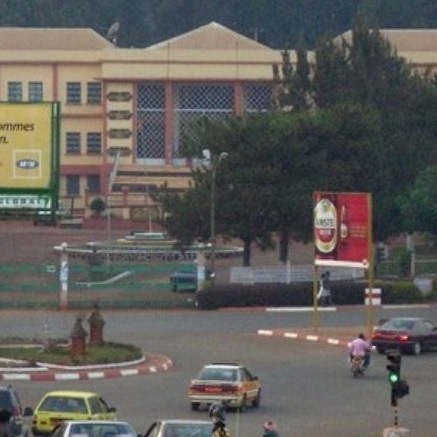
The Yaounde-Douala highway, once a symbol of Cameroon's "Great Achievements" policy, is now seen as a financial black hole and a monument to opacity. Launched in 2011, this project was intended to connect the country's two main cities, but it is now marred by significant delays, exorbitant costs, and suspicions of corruption.
Initially, the first 60 km phase was to cost 190 billion FCFA. However, this amount skyrocketed to nearly 800 billion FCFA, sparking public outrage. The project's duration is also a source of frustration, with more than 10 years needed to complete this first phase, initially scheduled to last 48 months. Experts denounce the existence of systematic kickbacks and hidden networks that benefit from these delays and cost overruns.
Local populations have also suffered the consequences of this project, with promised compensations that are slow to arrive or are embezzled. This situation has created a climate of mistrust and anger, exacerbated by the clumsy communication of government officials.
Despite these difficulties, work on phase 2 was launched in October 2024, with a budget of 1,072 billion FCFA to cover 141 km of main road and 40 km of interchanges. The government aims for delivery by 2028, but problems with compensation for affected populations persist, threatening to delay the project again.
The Yaounde-Douala highway is a symbol of the challenges facing infrastructure projects in Africa, including corruption, land disputes, and dependence on external financing. While corruption remains endemic in Cameroon, initiatives are being taken to strengthen transparency and good governance in public procurement, but their effectiveness remains limited.