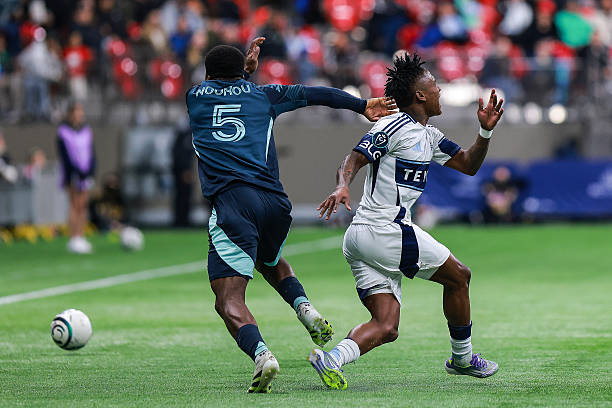
The opening match of the Union of Central African Football Federations (UNIFFAC) U17 tournament, scheduled between DR Congo and Equatorial Guinea, has been cancelled due to suspected age fraud involving six players. This decision was made following magnetic resonance imaging (MRI) tests that revealed these players did not meet the age criteria required to participate in the competition. The incident highlights the persistent challenges related to age verification in African youth football and the strict measures implemented to combat this issue.
Age fraud is a recurring problem in African football, where older players use false documents to participate in youth competitions, thereby gaining an unfair advantage. To counter this practice, FIFA introduced the mandatory use of MRI in 2009 during the U17 World Cup. This technique assesses the skeletal maturity of players by analyzing the fusion of growth plates in the wrist. Although MRI is considered reliable up to the age of 17, its effectiveness decreases thereafter, underscoring the importance of its rigorous application in youth competitions.
The cancellation of the UNIFFAC opening match underscores the governing body's determination to enforce the rules and ensure fair competition. According to Article 27.4 of the tournament regulations, a maximum of three ineligible players is allowed per team. Equatorial Guinea exceeding this threshold led to the suspension of the match, pending the final decision of the Confederation of African Football (CAF). This preventive measure aims to preserve the integrity of the tournament and deter any attempts at fraud.
The use of MRI for age verification in youth football has sparked debate and controversy. While some experts praise its effectiveness in detecting players who cheat on their age, others point out the limitations of the method and the risk of errors. Studies have shown that the fusion of growth plates can vary considerably from one individual to another, depending on factors such as ethnicity, nutrition, and biological development. Therefore, the isolated use of MRI can lead to unfair disqualifications and questionable decisions.
Despite these criticisms, MRI remains a valuable tool in the fight against age fraud in African football. CAF has made age verification a priority and has strengthened controls at youth competitions. In addition to MRI, other age verification methods, such as examining civil status documents and interviewing players and their families, are also used. This multi-dimensional approach aims to minimize the risk of errors and ensure that only eligible players participate in competitions.
The reaction of the Equatorial Guinean Football Federation to the disqualification of its players is not yet known. However, this incident should encourage all African federations to redouble their efforts in the fight against age fraud. It is essential to educate players, coaches, and leaders about the consequences of this practice and to promote a culture of integrity and fair play. The credibility of African football depends on it.
In conclusion, the cancellation of the opening match of the UNIFFAC U17 tournament due to suspected age fraud underscores the importance of vigilance and rigor in verifying the age of players. While MRI remains a useful tool, it must be supplemented by other methods to avoid errors and ensure fair competition. The future of African youth football depends on the ability of governing bodies to effectively combat fraud and promote values of integrity and fair play.