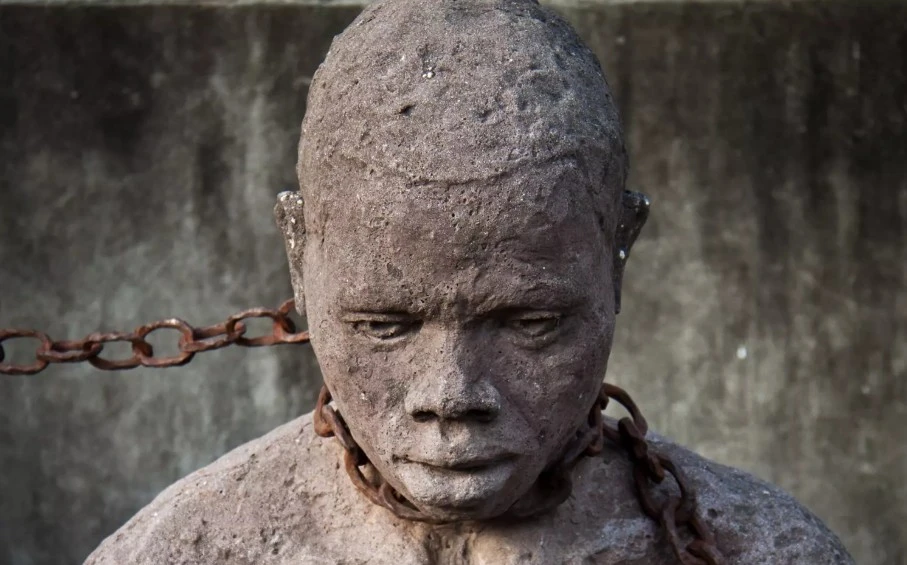
The United Nations General Assembly has taken a historic step by adopting a resolution recognizing the enslavement of Africans as the gravest crime against humanity. This decision, championed by Ghana, has been welcomed by the African Union (AU), which sees it as a turning point and is now calling for concrete reparations for the lasting consequences of slavery.
The resolution A/80/L.48 was adopted by a sufficient majority to mark a diplomatic victory for Africa. The Chairperson of the AU Commission expressed his enthusiasm, emphasizing that it represents "an important step towards truth, justice and healing". The AU insists that this resolution is not just a symbol, but reflects a long-standing call for full recognition of the slave trade and its aftermath.
The adoption of this text strongly revives the debate on reparations, a topic of discussion in several countries, particularly in the Caribbean and Europe. The AU reiterates its call for a global recognition of the historical and contemporary consequences of slavery, particularly in terms of structural poverty, racial discrimination, and economic inequalities. The continental organization says it is determined to work with the United Nations and its partners to advance historical justice and prevent such crimes from recurring.
While 123 states voted in favor of the resolution, the details of the vote reveal deep divisions. The United States, Israel, and Argentina voted against it, while several European countries, the United Kingdom, Canada, and Japan abstained. Despite these divisions, the adoption of the resolution by the UN gives unprecedented legal and moral weight to the issue of reparations and energizes the African Union's fight for justice.
The African Union has designated the period 2026-36 as its "decade of reparations" and has appointed John Dramani Mahama, President of Ghana, as champion of this cause. An AU committee of experts is working on a framework for restorative justice, in collaboration with descendants of slaves around the world. The AU is also preparing a case to be brought before the International Court of Justice, in which it will seek reparations for slavery from some of the countries that engaged in the slave trade.