The 41st ministerial meeting of the World Trade Organization (WTO), scheduled to take place in Yaoundé from March 26 to 29, 2026, is unfolding amidst high trade tensions. Fueled by Washington's protectionist policies, these tensions cast a shadow over the very purpose of this international gathering.
Three major issues are on the agenda for this meeting, whether it is held in Yaoundé or Geneva: WTO reform, the rise of protectionism, and the regulation of e-commerce. However, the current international context has changed the game. After rejecting a reform project supported by Norway, the American president, Donald Trump, announced new customs measures presented as an economic "liberation". These measures include a minimum increase of 10% in customs duties per country, with a strict reciprocity principle that could reach, on average, 50% of the taxes applied to American products.
This confrontational logic, summarized by the phrase "an eye for an eye, a tooth for a tooth," weakens trade multilateralism and risks relegating the WTO to a secondary role. Many observers believe that the organization now appears marginalized, unable to contain the protectionist escalation. In this context, the Yaoundé conference promises to be highly tense.
Firstly, because the American measures contravene WTO rules, accentuating the image of a powerless institution. Discussions could then focus on the very survival of the multilateral system, with some diplomats calling for restraint in the face of what they are already calling the "Trump shock". Secondly, the issue of e-commerce promises heated debates, with Washington pushing for the elimination of customs duties, while several countries, including India, firmly oppose it.
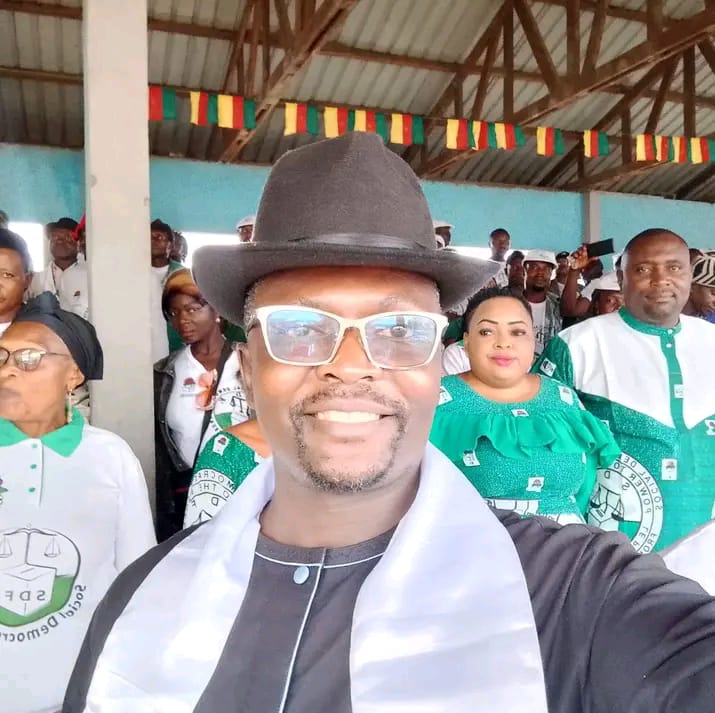
Finally, the emphasis placed by the United States on bilateral agreements encourages other powers to adopt similar strategies, threatening the relevance of the multilateral framework and encouraging each state to defend its own interests as a priority. The Yaoundé meeting therefore opens in an atmosphere of "calculated chaos," where the fragmentation of world trade tests the WTO's ability to play its regulatory role. According to Louis Marie Kakdeu, second vice-president of the SDF, this situation durably weakens multilateralism. The outcome of this conference remains uncertain in the face of deep divisions and crucial issues for the future of world trade.