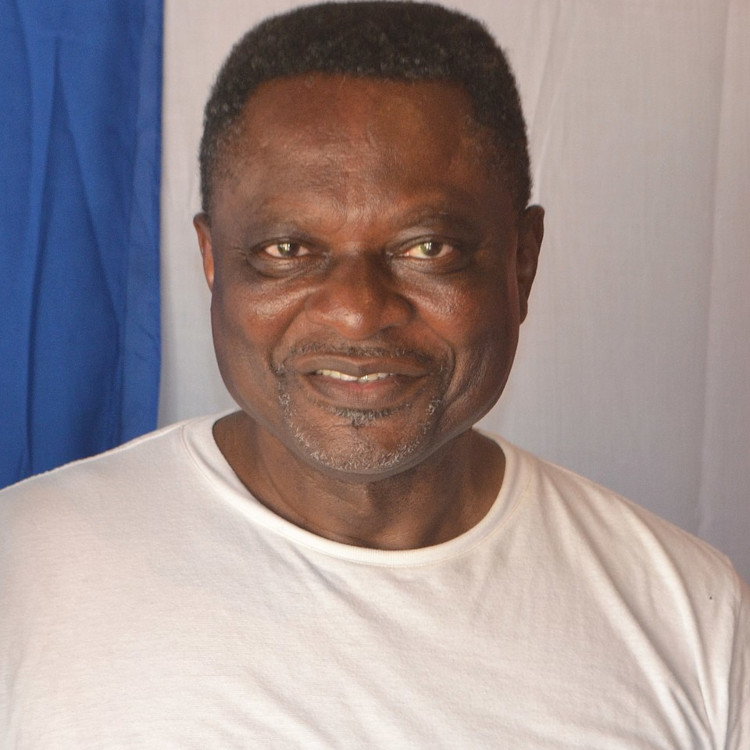
Recent appointments within the Cameroonian Electricity Company (SOCAEL) are drawing criticism, particularly regarding the lack of youth representation and the reappointment of familiar figures from the old system. Cyril Tchamba, speaking on the program CLUB D’ÉLITES on Vision4, expressed reservations about these choices, describing them as a continuation rather than a genuine generational renewal.
Tchamba emphasized that the appointments do not reflect the promises of promoting youth and women, as announced by the authorities. "We were promised a cabinet reshuffle announcing major changes, with the promotion of youth and women... it seems to me that the two appointments this week demonstrate that not only have we not necessarily appointed young people, but also that these are personalities already well known to the system," he stated.
The analyst questioned at what age one ceases to be considered young in the higher echelons of the state, pointing out the lack of new faces in key positions. He also highlighted the backgrounds of the appointees, particularly their past experiences in structures that had encountered difficulties.
"The chairman of the board of directors of SOCAEL, Antoine Tsimi, was already retired and had served extensively," Tchamba noted. He also criticized the appointment of the general manager, former deputy general manager of the former Eneo, emphasizing that this promotion comes despite the difficulties encountered by the former company. "Given that things had not gone well to the point of changing companies, today we are promoting the one who was almost co-pilot of the old structure that did not work," he added.
These appointments come in a context where the Cameroonian government is often called upon to promote the emergence of a new generation of leaders and encourage innovation in the management of public enterprises. SOCAEL, as a new entity in the electricity sector, was seen as an opportunity to break with past practices and open up to young talents.
SOCAEL was created to restructure the electricity sector in Cameroon, following the difficulties encountered by Eneo, the former operator. It is responsible for improving access to electricity, modernizing infrastructure, and ensuring a reliable supply for populations and businesses. The challenges facing the new leadership are therefore considerable.
Cyril Tchamba's criticisms highlight the expectations of Cameroonian civil society regarding governance and the renewal of elites. They also underscore the need for greater transparency in the appointment processes to positions of responsibility in public enterprises.