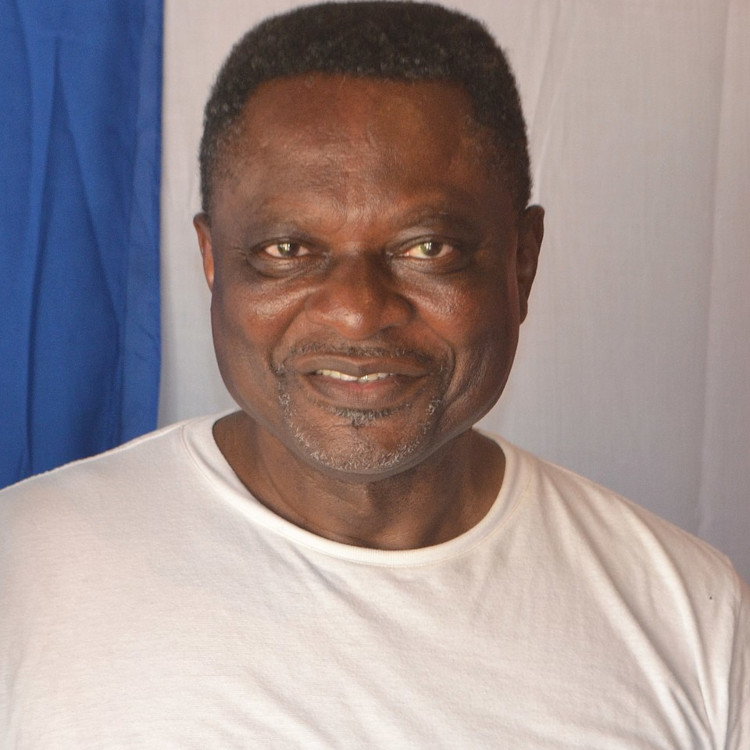
Oumarou Hamandjoda, the new General Manager of the Société Camerounaise d’Electricité (Socadel), faces a significant challenge: to revive a struggling company, succeeding Eneo Cameroon. To do this, he will be evaluated on the basis of a performance contract structured around 20 key indicators, covering various aspects ranging from finance to quality of service, including sales, governance, security and human resources.
This performance contract, annexed to the restructuring plan developed by the Ministry of Water and Energy (Minee) in March 2026, sets a three-year mandate, renewable once if the results are achieved. An annual interim evaluation by the Board of Directors is planned, with an obligation to justify any unmet objective and to propose corrective measures. The Cameroonian State, the main shareholder of Socadel since its nationalization, is setting the bar high, particularly in terms of financial recovery and improvement of the quality of service.
The evaluation of the General Manager gives particular importance to two main areas. The financial component represents 27% of the overall score, while the quality of service accounts for 33%, thus constituting the most important block. The commercial area follows with 20%, ahead of governance (15%) and security-human resources (5%). This weighting reflects the urgent need to restore financial flows and improve the supply of electricity to users, as Cameroon faces a persistent energy crisis.
The Minee's restructuring plan highlights a worrying financial situation, with constantly strained cash flow. Eneo's total outstanding debt is estimated at nearly 850 billion FCFA. Faced with this challenge, debt collection appears to be a central element of the recovery. The performance contract sets ambitious targets in this area, with a debt collection rate for monthly invoices to reach 90% in 2028.
In addition to financial recovery, the performance contract emphasizes improving the quality of service, a crucial issue for users. Specific objectives are set in terms of reducing the duration and frequency of service interruptions, as well as reducing technical and commercial losses. Achieving these objectives requires, in particular, a rigorous execution of the investment plan, with a target execution rate of 80% per year.
While the performance contract places Oumarou Hamandjoda under close supervision, it also recognizes that Socadel's recovery will depend on key decisions by the State. The Minee plan thus provides for a refinancing of the financial debt and a partial takeover of the supplier debt by the State. Tariff adjustments are also planned, particularly for professional consumers, in order to improve the company's revenues.
Ultimately, the success of Oumarou Hamandjoda's mandate will not only be measured by the sophistication of the indicators, but above all by his ability to translate these objectives into concrete improvements on the ground. The pressure is high on the shoulders of the new General Manager, who will have to deal with significant financial and technical constraints, while meeting the expectations of users and public authorities.
In May 2026, Oumarou Hamandjoda, with his 25 years of experience in the energy sector, was appointed as the first General Manager of Socadel.