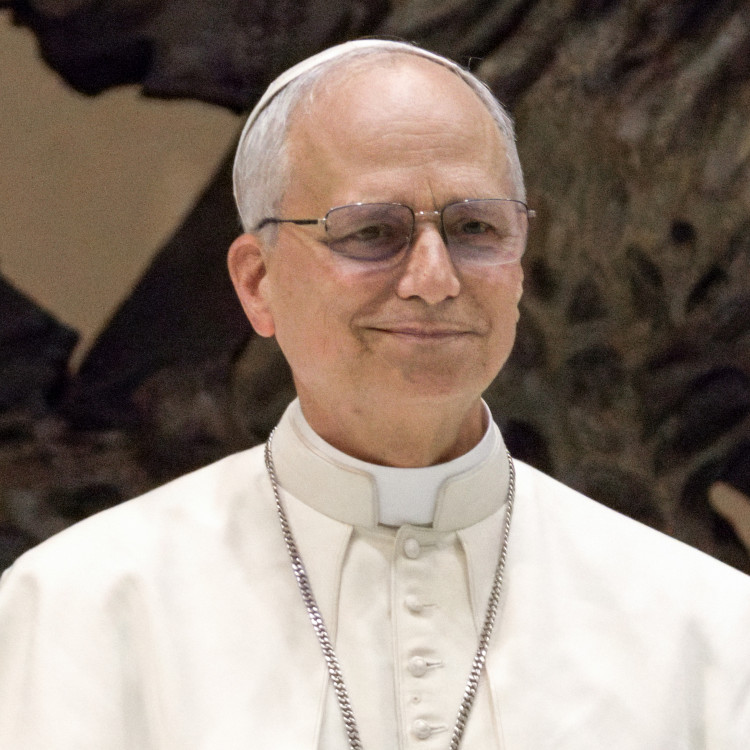
Pope Leo XIV's visit to Cameroon, scheduled for April 15, 2026, is already generating controversy. An open letter, signed by a collective of citizens and gone viral on social media, questions the appropriateness of this trip in a tense national context.
The document strongly criticizes the Vatican's silence on major crises shaking the world, particularly in Gaza, the Democratic Republic of Congo, and Sudan, while increasing visits to Cameroon. The authors question this "aberrant silence" of the Pope at the United Nations, where his voice, they say, could carry weight in favor of peace.
The open letter highlights several major grievances. First, the post-election crisis following the October 2025 presidential election, marked by the arrest of thousands of "political prisoners," including teenagers. The text reports that more than sixty supporters of change have lost their lives.
Secondly, the publication of the results of the entrance exam to the National School of Administration and Magistracy (ENAM) is criticized. The letter denounces blatant favoritism, citing about twenty names of admitted students from influential families: children of ministers, directors-general, and close associates of the government, including the daughter of Minister Nalova Lyonga, the daughter of Deputy SGPR Mohamadou Moustapha, and the son of the Minister of Public Service Joseph Le. These appointments fuel a feeling of programmed social reproduction, where access to high public office is reserved for an elite.
The authors of the open letter also claim that the Delegate General for National Security blocked the proclamation of the results of the police entrance exam, due to an overrepresentation of the Center, South, and East regions. This decision, motivated by "high recommendations," would reveal a system of ethnic and clientelist sorting.
The document also recalls a list of religious figures assassinated in Cameroon, transmitted to Pope Benedict XVI in 2005 by Ambassador Antoine Zanga. From Monsignor Yves Plumier in 1991 to Father Engelbert Mveng in 1995, these crimes have never been solved, and the Vatican's silence is denounced. Cameroonian bishops have confirmed that Monsignor Jean Marie Benoît Bala was murdered.
Pope Leo XIV's visit puts the Cameroonian regime in the spotlight. The signatories of the open letter call on the sovereign pontiff to take advantage of his meeting with the head of state to address these sensitive issues, plead for the annulment of the contested ENAM lists, and demand the release of political prisoners. Archbishop Andrew Nkea of Bamenda stated that the Pope would come “as a messenger of peace, an ambassador of reconciliation and a promoter of justice”.
Beyond this visit, this controversy reveals a growing distrust of Cameroonian institutions. Post-election repression, favoritism, and impunity fuel a deleterious social climate. It remains to be seen whether the Pope's prayer will be enough to ease tensions, or whether this visit will be just a simple blessing of a system that many aspire to change.
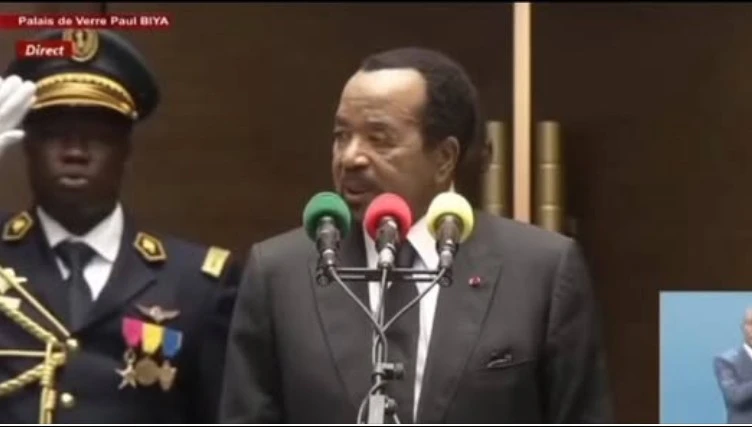
The opposition fears that the Pope's visit could be used by President Paul Biya to resolve the post-election crisis. The diaspora movement, Project C, sent an open letter to the Pope, urging him to cancel his trip so as not to "validate a lie written in blood".