


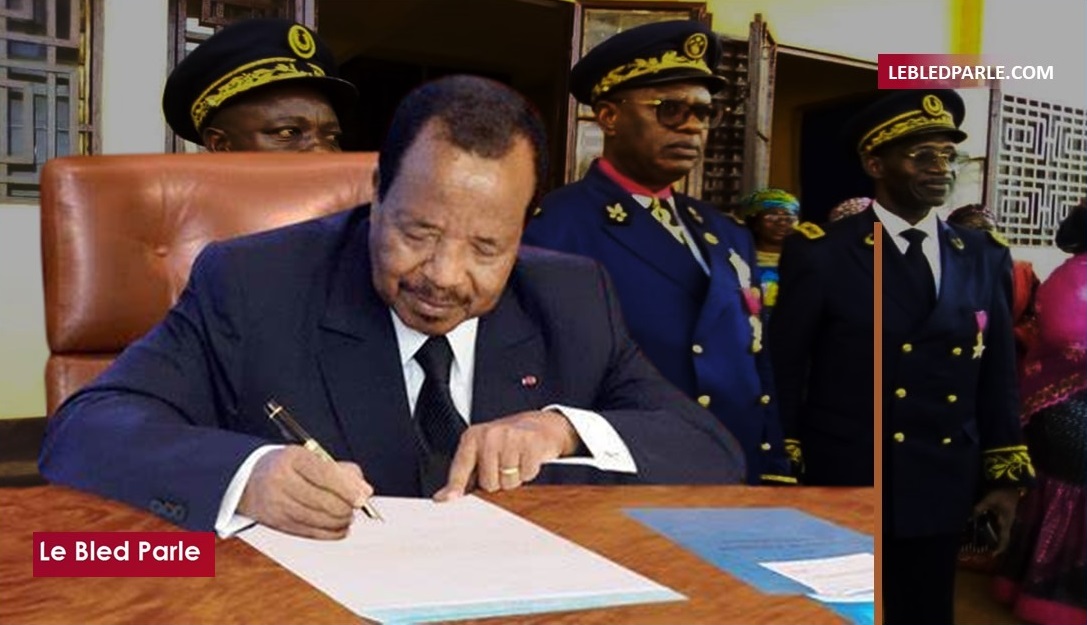
Cameroonian President Paul Biya has enacted the law formalizing the position of Vice-President of the Republic on April 14, 2026. This decision follows the adoption of the text by Congress on April 4, introducing a new actor within the country's institutional architecture.
The constitutional reform now allows the Head of State to appoint a Vice-President, who will be responsible for assisting him in his duties and ensuring the continuity of power if necessary. This measure comes amid recurring debates regarding governance and succession at the head of state.
The creation of this Vice-President post, abolished in 1972, marks a significant evolution in the Cameroonian political landscape. The Vice-President will be appointed and dismissed by the President, and their term may not exceed that of the President. In the event of the President's death, resignation, or incapacity, the Vice-President will ensure the continuity of power, but may not amend the Constitution or run in the next presidential election.
While supporters of the project highlight a guarantee of stability and a clarification of the line of succession, detractors denounce an increased concentration of power in the hands of the President. The opposition fears that this reform will strengthen Paul Biya's control, who has been in power since 1982, without bringing real democratic progress.
Attention is now focused on the choice of the future Vice-President, an issue that could revive tensions within the Cameroon People's Democratic Movement (RDPC), the ruling party. Among the names mentioned are Ferdinand Ngoh Ngoh, Secretary General of the Presidency, Joseph Dion Ngute, the Prime Minister, or Samuel Mvondo Ayolo, an influential figure of the RDPC from Paul Biya's native region.


