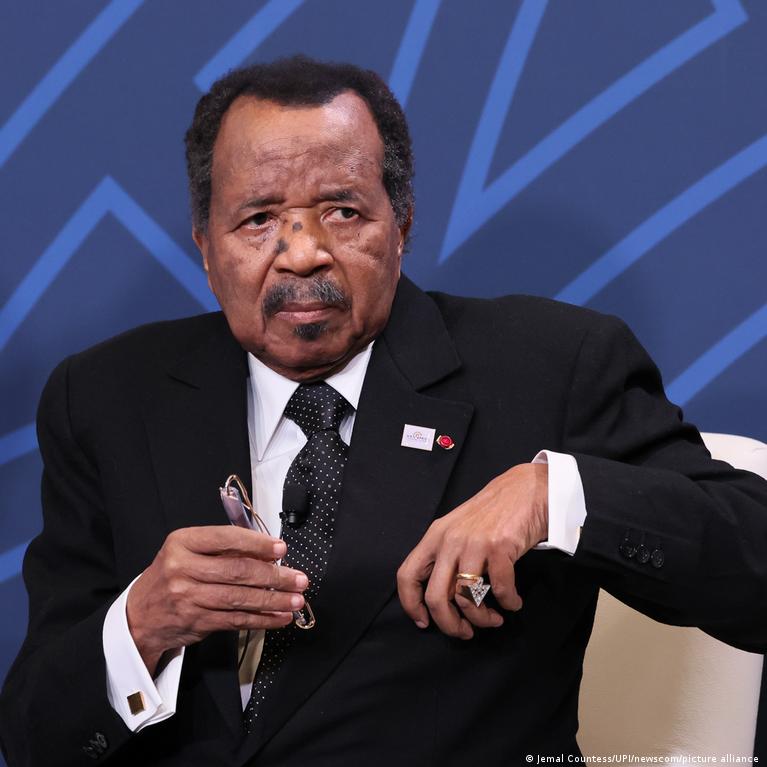
Cameroon's Higher Judicial Council (CSM) will convene on March 18, 2026, under the chairmanship of Paul Biya, after a six-year hiatus. This convocation, announced by CRTV, marks a potentially decisive step for the Cameroonian justice system, which faces significant challenges related to the independence of the judiciary and the management of magistrates' careers.
The last session of the CSM dates back to August 10, 2020. This long period without a meeting has led to a blockage of promotions, transfers, and the integration of young magistrates from the National School of Administration and Magistracy (ENAM). Numerous retirements and deaths have not been followed by replacements, creating gaps within the judicial body. This situation has led to a crisis of legitimacy and criticism of the rule of law in Cameroon.
The CSM is a central constitutional body responsible for guaranteeing the independence of the judiciary. It manages the careers of magistrates, from their integration to discipline, including promotions and transfers. Its tripartite composition, involving the National Assembly, the Supreme Court, and the Head of State, is designed to balance powers. However, the actual presidency of the Council by the Head of State raises recurring debates about the real independence of justice.
This session of March 18 takes place in a particular context, since the mandate of the members of the Council appointed in June 2020 expired in June 2025. They are currently sitting under an extension regime, which weakens their legitimacy. Two scenarios are possible: either Paul Biya appoints new members before the session, or the session is held with the current members, thus exposing itself to criticism.
The stakes of this session are considerable. In the short term, it will redistribute hundreds of positions, integrate young magistrates, and settle administrative disputes. For international partners, this session is a test of the quality of the rule of law in Cameroon, which influences investment and development assistance. In the longer term, the decisions taken at this session will shape the face of the Cameroonian justice system for the next decade. The appointment of new members of the Council, the settlement of blocked administrative situations, and disciplinary decisions will send a strong signal about the trajectory of the independence of the magistracy in Cameroon.