Recent changes in the National Assembly and Senate of Cameroon have sparked mixed reactions within the political class. On March 17, 2026, Honorable Théodore Datouo succeeded Cavaye Yeguié Djibril, who had held the post of President of the National Assembly since 1992. In the Senate, Aboubakary Abdoulaye took over from Marcel Niat Njifenji.
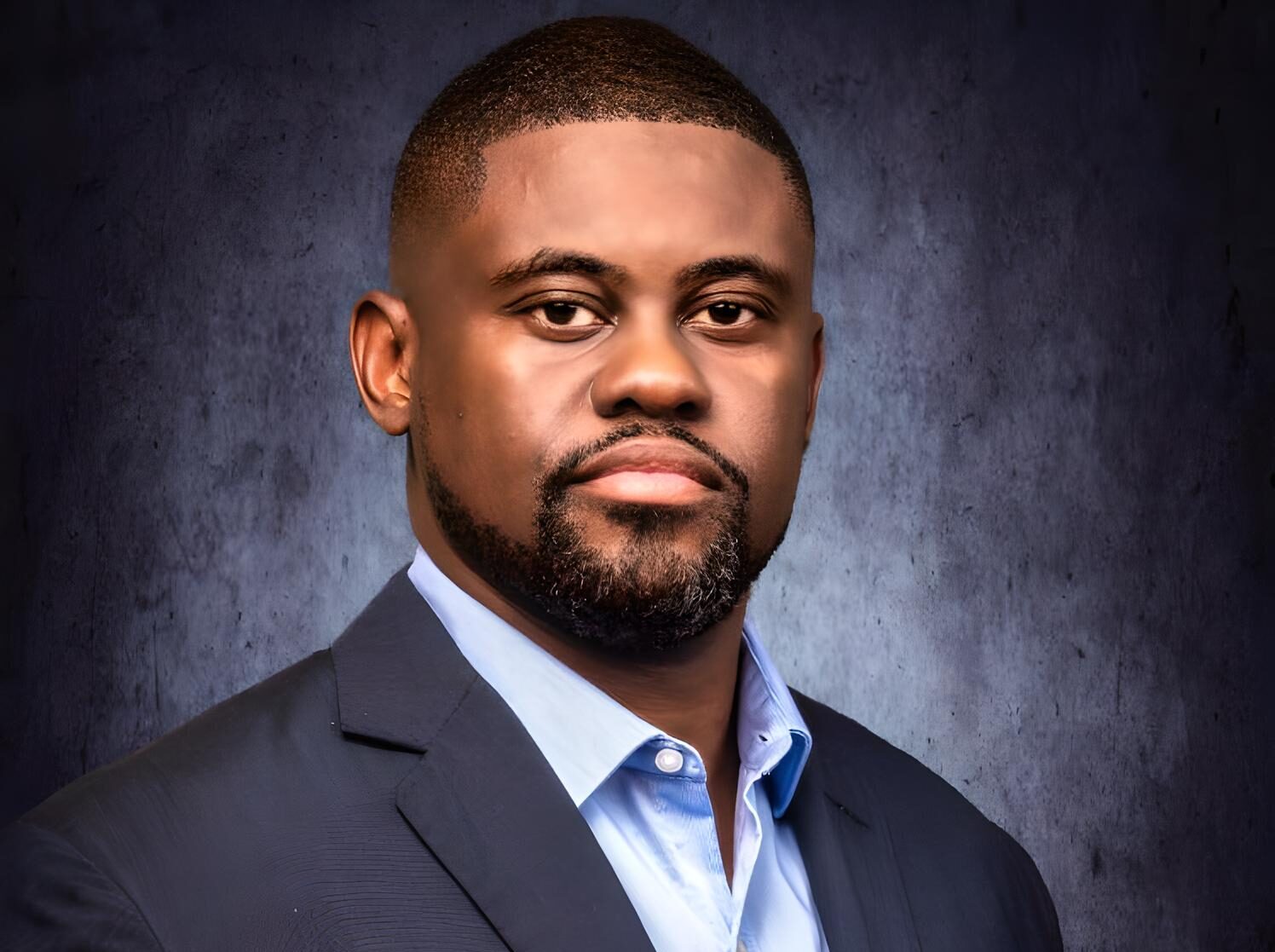
For Hiram Samuel Iyodi, president of the Patriotic Movement for the Prosperity of the People (MP3) and unsuccessful candidate in the presidential election of October 2025, these changes do not represent a real alternative. He believes that the ruling party has simply replaced loyal figures with others, thus ensuring the continuity of the regime in place.
"These elections, which seem to indicate a renewal of leadership at the head of parliamentary institutions, are in reality only appointments of faithful pillars of the regime, who all belong to the 3% of the Cameroonian population aged 65 and over," Iyodi said in a statement released on March 18, 2026. He sees these maneuvers as an attempt to stem the break between the regime and the population, particularly in the northern, western and coastal regions.
The election of Théodore Datouo, previously vice-president of the assembly and deputy from Bangou in the Western region, ended the 34-year term of Cavaye Yeguié Djibril. Cavaye Yeguié Djibril, who represented Mayo-Sava, had overseen the construction of the new parliament building, nicknamed the "Paul Biya Glass Palace".
Aboubakary Abdoulaye, senator from the North since 2013 and former first vice-president of the Senate, thus becomes the second person to hold this position since the creation of the institution in 2013. He was elected with 100% of the votes after the central committee of the CPDM asked its members to support him. At 61 years old, he is now the constitutional successor to the President of the Republic in the event of a vacancy.
These changes come in a context where concerns had emerged about Cavaye Yeguié Djibril's ability to lead, due to his age and health problems. The latter's absence during the opening of the ordinary session of parliament in March had fueled speculation about an imminent transition. For Hiram Samuel Iyodi, these appointments only perpetuate the system in place.