As a papal visit approaches, some cities hastily transform, reviving the term "roads of the Pope" to refer to infrastructure improvements made in anticipation of the event. Roads are resurfaced, facades are refreshed, and trash disappears temporarily. However, behind this spectacle of cleanliness and order, the daily problems of citizens persist, often exacerbated by the lack of sustainable investments in essential public services.
This practice raises ethical questions about prioritizing image over the well-being of local populations. The metaphor of the "whitewashed tombs" from the Gospel of Matthew then takes on its full meaning: a well-kept facade concealing a less-than-shiny reality. The massive investments made for beautification in view of the papal visit stand in stark contrast to the often-neglected management of waste, sanitation and basic infrastructure.
While these preparations can create temporary jobs and improve the appearance of neighborhoods passed through, they also fuel long-term frustration. Citizens realize that their daily concerns, such as illegal dumps and degraded roads, do not generate the same urgency as the country's image to foreign visitors. This disparity engenders distrust towards public action perceived as hypocritical and more focused on appearances than reality.
The crucial question remains: after the Pope's departure and the withdrawal of cameras, will the efforts made translate into sustainable sanitation policies, or will the "Republic of Garbage" regain its rights? History has shown that such events can prompt long-term improvements, but only if the political will persists beyond the one-off event.
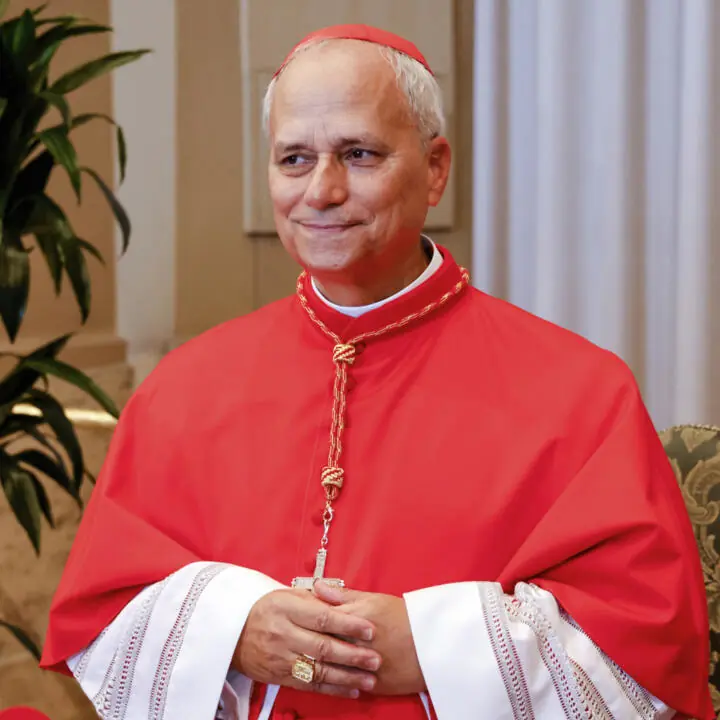
Ultimately, hosting an influential figure like Pope Leo XIV offers a unique opportunity to highlight urban challenges and initiate lasting positive change. It remains to be seen whether this opportunity will be seized to truly transform the daily lives of citizens, or whether it will remain a simple embellishment of the facade.