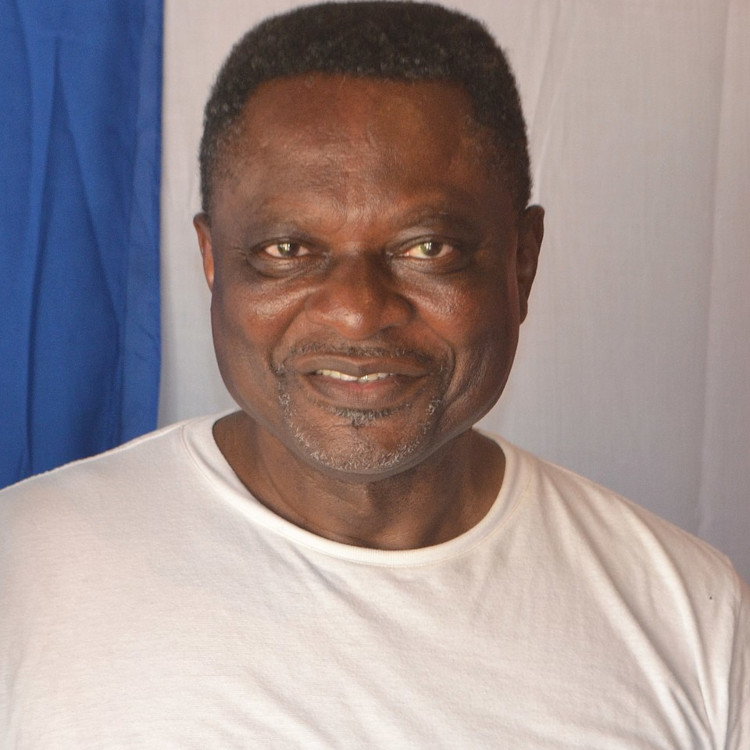



Twenty years after the launch of Operation Sparrowhawk in Cameroon in 2006, emblematic figures of this anti-corruption campaign have served long prison sentences, a rare occurrence on an African scale. Emmanuel Gérard Ondo Ndong, Gilles Roger Belinga, and Joseph Édou spent two decades behind bars, without benefiting from significant presidential pardons. This carceral rigor contrasts with the persistence of financial scandals and raises questions about the operation's actual effectiveness.
Operation Sparrowhawk has been distinguished by the severity of its sentences, with convictions reaching life imprisonment for ministers, directors-general, and former prime ministers. However, this severity is questioned when compared to other corruption cases in Africa. For example, Urbain Olanguena Awono, a former Minister of Health, was convicted for damages estimated at 120,000 euros, while in Senegal, Karim Wade received a six-year sentence for 210 million euros before being pardoned. These disparities highlight the unequal treatment in the fight against corruption across the continent.
Judicial timelines vary considerably. Some procedures have been swift, such as the arrest and conviction of Marafa Hamidou Yaya within a few months. Others, like the trial of Amadou Vamoulké, have dragged on with more than 130 postponements before a first conviction. Recent cases, such as the assassination of Martinez Zogo and scandals related to Covid funds, are progressing slowly, fueling suspicions of bias.
Several figures from Operation Sparrowhawk have died in detention, including Gervais Mendo Zé and Jérôme Mendouga, raising questions about access to healthcare in prison. Marafa Hamidou Yaya, now blind, has served fourteen years of a twenty-year sentence, despite legal provisions for releases for health reasons.
Despite Operation Sparrowhawk, financial scandals persist, particularly those related to Covid funds and the management of the Africa Cup of Nations (CAN). This suggests that deterrence has not worked and that the necessary structural reforms have not been implemented. Cameroonian society seems to be growing accustomed to the harshness of sentences and deaths in detention, raising the question of the normalization of such situations.
Operation Sparrowhawk was intended to mark a turning point in the fight against corruption in Cameroon. Twenty years later, it leaves an open question: can a state be moralized without transforming the rules and practices that govern it? The release of Gilles Roger Belinga and Emmanuel Gérard Ondo Ndong, after 20 years in prison, reignites the debate on the effectiveness of this operation and the need for profound reforms.