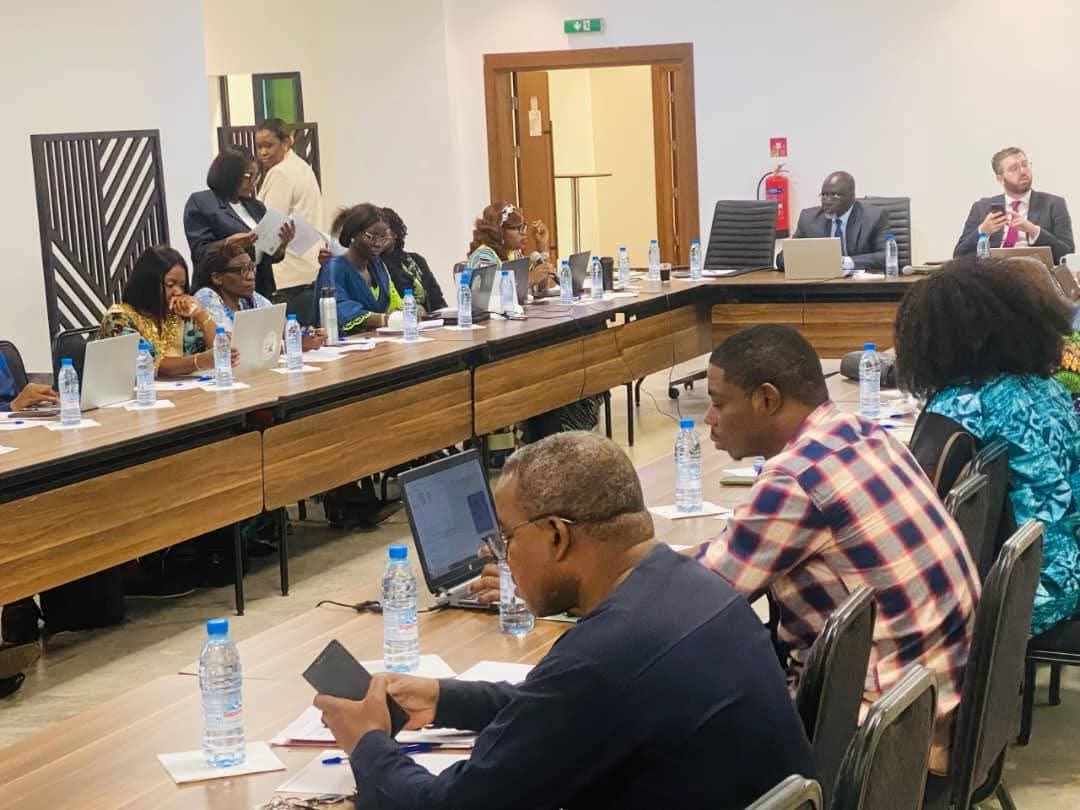
The National Observatory on Climate Change (ONACC) played a central role during the national dialogue on climate change held in Yaoundé on March 18 and 19, 2026. This event brought together experts, public decision-makers, and technical partners to examine and refine Cameroon's climate priorities.
The dialogue, organized under the aegis of the Ministry of Environment, Nature Protection and Sustainable Development with the support of the British High Commission, allowed sectoral administrations, civil society organizations, and climate specialists to share their views. Discussions focused on key strategic documents such as the Nationally Determined Contribution (NDC 3.0), the National Climate Agenda, and the National Climate Plan. Participants also assessed the progress of the National Adaptation Plan and the lessons learned from Cameroon's participation in COP30 in Belém, Brazil.
ONACC, under the leadership of Pr Amougou Joseph Armathé, brought its expertise to the heart of the discussions, helping to structure the national response to climate change. The observatory's mission is to assess the socio-economic and environmental impacts of climate change and to propose adaptation and mitigation measures.
The discussions highlighted the need for coordinated action to address climate challenges. ONACC, through its role of analysis, monitoring, and decision support, confirms its central place in this system. Its participation in this dialogue is part of a broader dynamic aimed at preparing Cameroon for upcoming international deadlines and consolidating its trajectory towards more resilient and sustainable development.
Cameroon has committed to reducing its greenhouse gas emissions by 35% by 2030 compared to a business-as-usual scenario, subject to obtaining funding. The country has also integrated climate change into its sectoral strategies, particularly in the areas of forestry, agriculture, environment, water, and health.
In January 2026, ONACC launched a digital climate risk monitoring platform to strengthen early warning systems, protect populations, and minimize economic losses. This platform relies on multi-source data, including meteorological observations, satellite imagery, and field information, to support decision-making.
The national dialogue underscored the importance of involving all stakeholders, including civil society, the private sector, youth, and women, in the fight against climate change. Cameroon is increasingly viewing climate change as an opportunity for sustainable economic development, rather than simply a threat. ONACC's active participation in the national dialogue demonstrates Cameroon's commitment to addressing climate challenges and building a more resilient future for all.
The country is striving to modernize its climate governance, aligning with African resilience priorities. Climate disasters cost Cameroon approximately 250 billion CFA francs per year, or about 0.5% of its GDP.