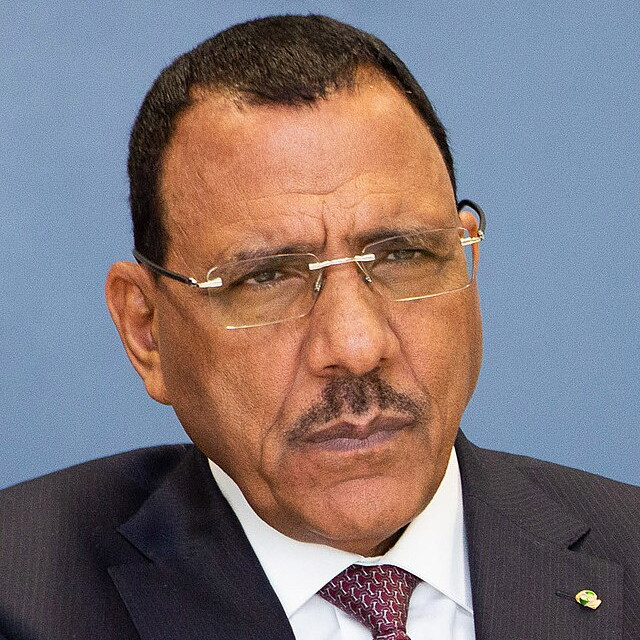
The crisis between Niger and the European Union is escalating as the EU demands the immediate release of Mohamed Bazoum, the former Nigerien president ousted in the coup d'état of July 26, 2023. In response, Niger, now under military rule, denounces interference and adopts a firmer stance.
The EU has suspended 13 million euros in budget support, signaling its discontent with the political situation. This decision follows the overthrow of Mohamed Bazoum by General Abdourahamane Tiani, which led to the sequestration of the former president and his family in the presidential palace in Niamey. International bodies, including the EU, have repeatedly called for Bazoum's unconditional release, but the current regime categorically rejects what it sees as an attempt at external domination.
The roots of this diplomatic crisis lie in post-colonial history, where the new Nigerien authorities accuse the EU of seeking to maintain political tutelage. The language used by Brussels is perceived as "colonial", reviving latent tensions and exacerbating the sovereignty conflict. The demand for Mohamed Bazoum's release thus becomes a major point of friction, with the generals in power building their legitimacy on the rejection of these external pressures.
Brussels is exerting financial and commercial pressure by freezing security cooperation and budget support, while considering targeted sanctions against members of the junta. Niamey retorts by mobilizing public opinion, denouncing paternalistic "interference" to unite the population around the new regime. In this escalation, the humanitarian issue concerning the sequestered president seems relegated to the background.
This impasse compromises security cooperation in the Sahel, with the withdrawal of the French army and the risk of European forces following suit. The region faces a resurgence of jihadist attacks, exacerbated by the breakdown of humanitarian aid. In the long term, this fracture could redefine alliances, pushing Niger to turn to Russia and Turkey. The architecture of EU-Africa relations, based on dialogue and aid, is being questioned by the assertion of sovereignties.
The future of relations between Europe and the Sahel hinges on the release of Mohamed Bazoum, who has been detained since the coup in July 2023. The junta has rejected calls for his release, and in March 2026, the Nigerien government summoned the European Union's chargé d'affaires in Niamey to protest a European Parliament resolution demanding Bazoum's immediate release. Can the conditionality of aid still work in the face of a partner who refuses dialogue, or are we witnessing the end of a cycle where financial power no longer guarantees political influence?
In January 2026, Russia appointed Viktor Voropayev as its first permanent ambassador to Niger in over three decades, signaling a deepening of ties between Moscow and the Nigerien junta government.