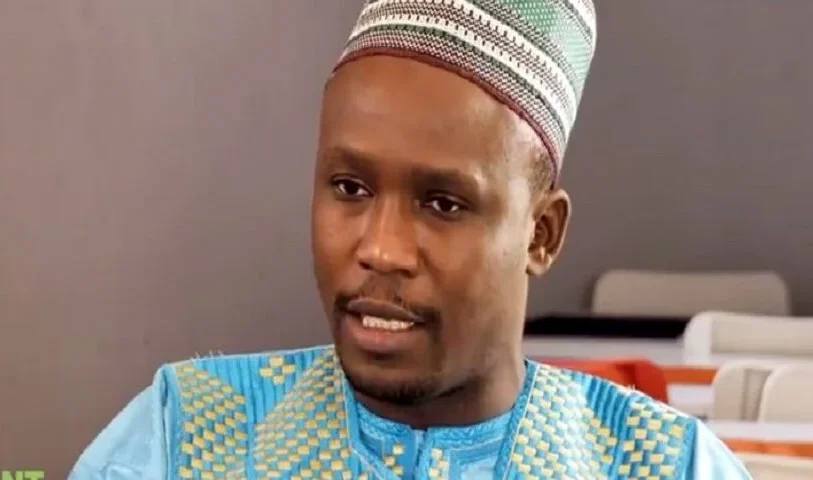
The announcement of the creation of a vice-president position in Cameroon continues to generate reactions. While the Cameroonian parliament has approved the constitutional amendment reintroducing this position, some political observers, such as Moussa Njoya, express serious doubts about its real usefulness.
Njoya, known for his critical analyses of the Cameroonian political scene, expresses skepticism about the ability of this reform to solve the country's deep problems. According to him, the appointment of a vice-president will not contribute to alleviating the current crises or to getting Cameroon out of "this impasse and widespread misery".
The political observer fears that this new position will rather exacerbate existing tensions. He emphasizes the revocable nature of the vice-president, appointed and dismissed at the discretion of the President of the Republic, without any particular procedure. This situation, according to Njoya, could intensify the "war of clans", with each contender for the succession seeking to destabilize the vice-president in place.
Njoya also questions the impact of this appointment on the fluidity of the administration. He notes that the vice-president will not have his own constitutional powers, which could create blockages and increase existing bureaucratic procedures. The superposition of new structures to those already in place (Prime Minister, government, Senate, National Assembly, Economic and Social Council) could, according to him, further complicate the decision-making process.
The political observer is also concerned about the potential implications for corruption. He fears that the creation of this position will increase the number of corrupt people, with the arrival of "new strong men of Yaounde" and their "unquenchable thirst for enrichment". Njoya deplores the absence of mention, during the debates on the new constitutional law, of the implementation of the 2006 law on the declaration of assets of senior officials.
Finally, Moussa Njoya doubts that the appointment of a vice-president can help resolve the Anglophone crisis, even if an Anglophone were appointed to the post. He anticipates that President Biya would choose a personality "totally out of touch with the field, largely disconnected from reality, deeply hated by the local populations", which would only worsen the situation.
The constitutional reform establishing a vice-president was approved by Parliament on April 5, 2026. The vice-president will be appointed and dismissed by the president. In the event of the president's death, resignation or incapacity, the vice-president will serve as interim president. The opposition criticizes this law, believing that it strengthens the power of the president. Moussa Njoya, for his part, hopes that the future will prove him wrong, but remains deeply skeptical about the real benefits of this reform.