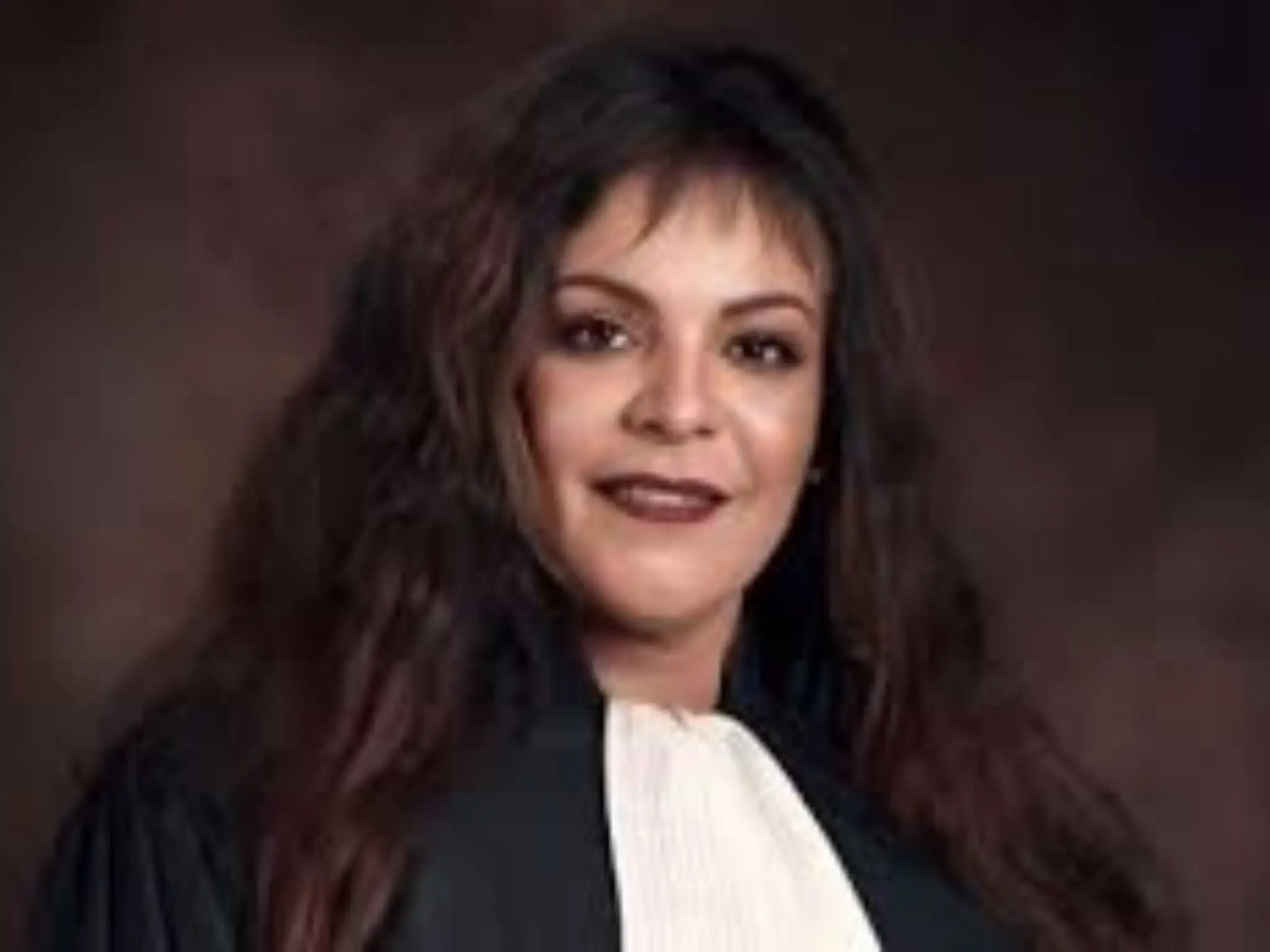
The Miss Cameroon affair continues to generate reactions. Following the dismissal of Josiane Golonga, Miss Cameroon 2025 elected on July 12, 2025, the lawyer Me Dominique Fousse has taken a stand to denounce what she considers a "digital lynching".
Me Fousse is outraged by the use of private information taken out of context and delivered to popular vindictiveness online. "Appropriating intimate discussions, taking them out of context, delivering them to the digital crowd in the hope of breaking a reputation or pushing someone to the edge is crossing a red line," she says. She insists on the seriousness of such acts, recalling that behind a screen is a person with a life, a family and a future.
The lawyer highlights the responsibility of the media, both traditional and digital, stressing that "informing does not mean humiliating. Revealing does not mean destroying". She recalls that freedom of expression cannot justify harassment, invasion of privacy or incitement to suicide. She denounces the irresponsibility of those who seize other people's personal accounts to harm, motivated by clicks and settling scores.
Me Fousse calls for collective reflection on the limits of digital society and the need to choose between a dignified debate space and a permanent court where people judge without evidence. She insists on the individual responsibility of each person to refuse to relay or fuel hatred online, seeing it as a way to protect victims.
As the International Day for Women's Rights approaches, Me Fousse questions the coherence between speeches on the protection of women and participation, active or passive, in their "digital scapegoating". She recalls that technology cannot dispense with conscience and morality. This case highlights the challenges of cybercrime and respect for privacy in the digital age. The question of the responsibility of the media and individuals in the face of digital lynching remains.