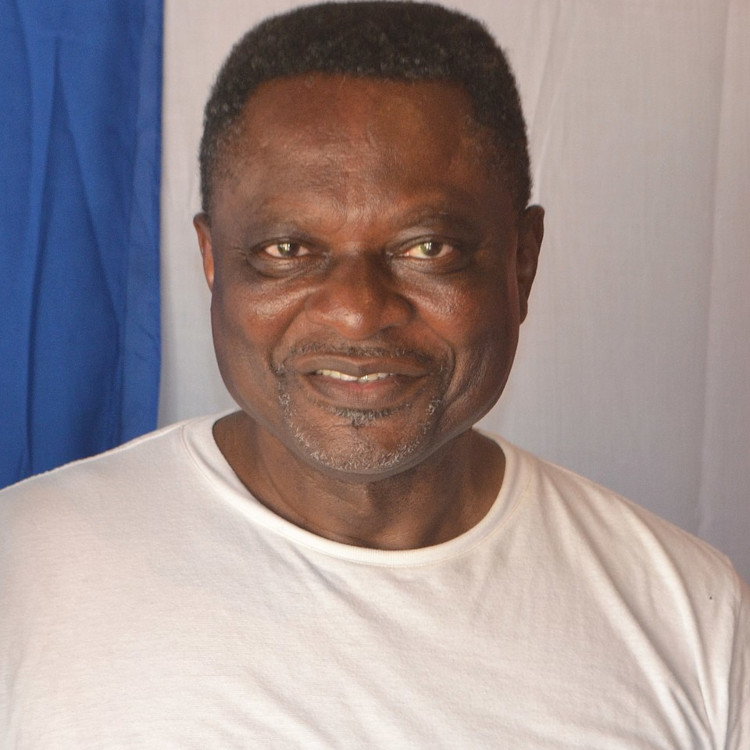
In his recent publication "Pensée de MK" dated May 4, 2026, Cameroonian opposition leader Maurice Kamto shared an analysis of the historical relations between Africa and the rest of the world, emphasizing the need for the continent to make crucial decisions for its future. His analysis highlights persistent power dynamics while acknowledging recent progress in access to information and technology.
Kamto revisits different historical periods, beginning with the 15th century, which he characterizes by "contempt for race," cunning, ignorance of visitors, lack of information flow, and technical superiority. He argues that this situation has persisted for centuries, profoundly affecting the development of the African continent. He continues with the 19th century, which he describes as an era marked by paternalism, propaganda, lack of information flow, and the violence of technical superiority.
Regarding the contemporary era, Kamto notes that while some imbalances persist, access to technology and information has evolved considerably. "Since the 20th century, there has been contempt for race, paternalism, control of any desire for emancipation, technical superiority; but at the same time, fairly open access to technology, abundant and available information," he writes. This situation, according to him, places Africa in front of its responsibilities and the need to take control of its destiny.
The Cameroonian opponent insists on the urgency of courageous and lucid decisions: "Africa is facing its destiny. Now is the time to make decisive choices for the future. It must do what needs to be done. Courageously, lucidly. Without emotion. And more than ever in a united way." He warns against "internal complicities" that could hinder progress and emphasizes the importance of standing united in the face of external challenges, insisting that it is a "matter of collective survival."
Maurice Kamto's "Pensée de MK" offers a perspective on the complex challenges facing Africa, while highlighting the continent's potential to forge its own future through informed choices and collective action.