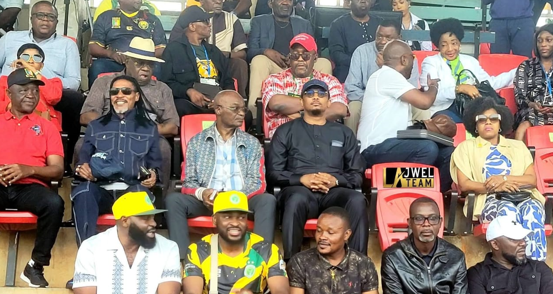
Jacques Elimbi, President of Elites du Football Boissons du Cameroun (EFBC), has voiced his frustration over the high costs associated with using stadiums built with Cameroonian citizens' tax money [cite: source]. This statement follows the conclusion of his organization's competition on April 18.
Elimbi shared his satisfaction with how the event unfolded, highlighting the absence of serious injuries among the players. Although he expressed slight disappointment at not winning the trophy, he welcomed the fact that two teams from cities other than Douala reached the final, demonstrating the vitality of football throughout Cameroon [cite: source].
When asked about possible future improvements to the tournament, Elimbi stressed the need to maintain the already high standards achieved, while acknowledging the financial challenges linked to using the Reunification Stadium. He also mentioned the upcoming World Cola Football Challenge in Douala, where EFBC will strive to maintain similar quality standards [cite: source].
It was on the issue of sports infrastructure that Elimbi's tone became more critical. He lamented the fact that clubs are forced to pay significant sums to use facilities financed by citizens' taxes, a situation he describes as "disgusting" as a Cameroonian citizen [cite: source].
This stance highlights the financial challenges faced by Cameroonian football stakeholders, particularly with regard to access to sports infrastructure. The issue of stadium usage costs remains a sensitive topic, especially in a context where the development of football is presented as a national priority.