In response to the escalating conflict between Iran, Israel, and the United States, the Cameroonian government has urged its citizens residing in the Near and Middle East to exercise vigilance and caution. The Minister of External Relations, Lejeune Mbella Mbella, emphasized the importance for Cameroonians to strictly adhere to the preventive security measures put in place by local authorities.
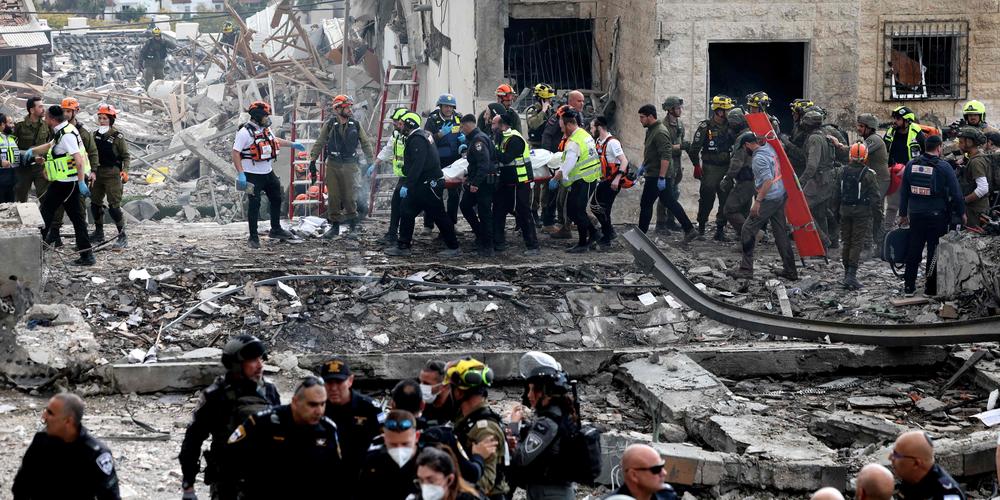
Since February 28, 2026, tensions have intensified, with initial strikes by Israel targeting sites in Iran, including Tehran, Isfahan, Qom, Karaj, and Kermanshah. The United States has also conducted strikes against Iran. In response, Iran retaliated by targeting American military bases in several Gulf countries, including the United Arab Emirates, Bahrain, Qatar, and Saudi Arabia.
Minister Mbella Mbella stressed the need for Cameroonians to exercise restraint and calm, while maintaining regular contact with Cameroonian diplomatic and consular missions in their countries of residence. He also reminded them that these representations are available to offer refuge and assistance if needed.
International reactions to this conflict have been numerous, with condemnations of violence and calls for de-escalation. The situation has led to increased insecurity and economic disruption, including the closure of airspace and maritime routes. The African Union has also called for restraint and urgent dialogue, highlighting the potential implications for energy markets, food security and economic resilience in Africa.
Cameroon, like other African nations, finds itself in a delicate position, seeking to protect its interests while navigating a complex geopolitical context. Some African countries have condemned the Israeli strikes, while others, like Cameroon, have adopted a more neutral approach, prioritizing their diplomatic and economic ties with Israel. This neutrality may be motivated by a desire to maintain strategic relations with Tel Aviv, while avoiding diplomatic tensions with other allies in the Middle East.