


Iran has accused Israel of manipulating the silence of African nations regarding the war involving the United States and Israel. Iranian Ambassador to South Africa, Mansour Shakib Mehr, voiced these concerns, denouncing what he sees as a "mute" response from African states to the conflict. According to Mehr, Israel is deploying considerable propaganda to influence African positions, seeking to downplay its actions and reverse the roles of oppressor and victim.
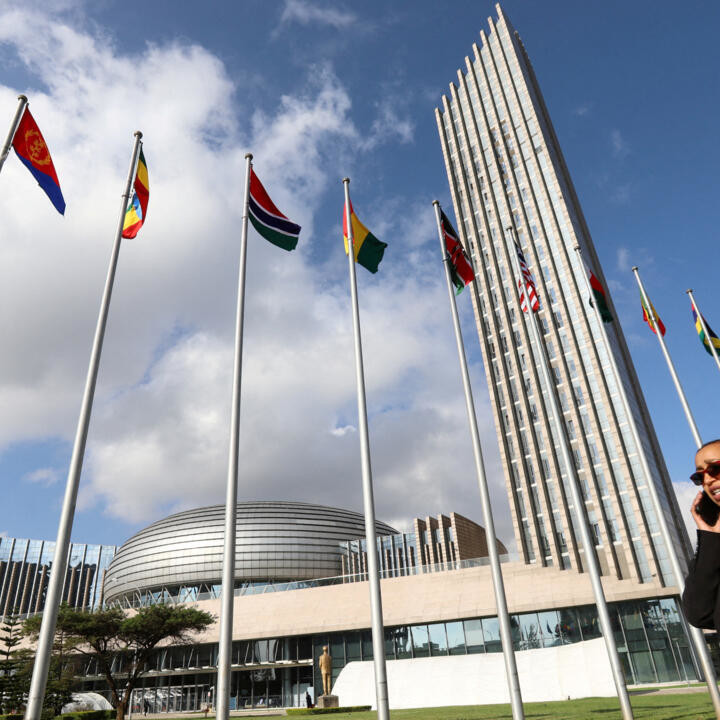
The African Union (AU), as the continent's representative body, has faced criticism for its lack of clear condemnation of the conflict. Iran suggests that this lack of reaction is a result of Israeli influence, which is shaping African opinions and policies. Israel has actively sought to strengthen its diplomatic relations in Africa since the 2000s, obtaining observer status with the AU and entering into bilateral agreements in areas such as security and agriculture.
Several factors could explain African caution. The economic dependence of many African countries on the United States, a major partner in development aid and security, may deter open condemnation of the US-Israeli camp. In addition, Iran describes a system of Israeli influence including embassies, think tanks and NGOs disseminating pro-Israeli content in African media. The implied threat of economic or security retaliation could also play a role.
Iran's position on the African stage appears increasingly isolated. Its accusations could alienate nations that prefer a more discreet approach. The outcome of this situation could determine Africa's ability to play an independent role in international affairs and to weigh on international law.
The question remains whether Africa can maintain an independent foreign policy. Is the observed silence a reflection of fully exercised sovereignty or the result of excessive foreign influence?


