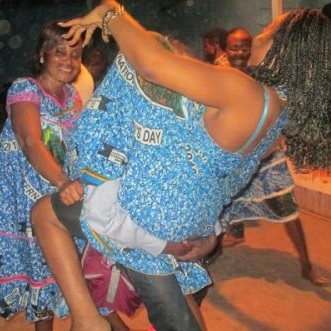
International Women's Day, celebrated every March 8th, serves as a global moment to reflect on the progress made in gender equality and the challenges that remain. Officially recognized by the United Nations in 1977, this day has its roots in the labor and feminist movements of the early 20th century, advocating for better working conditions and the right to vote.
In Cameroon, as elsewhere, March 8th is an opportunity to assess the situation of women. This year, the theme is "Rights. Justice. Action. For ALL Women and Girls,” a call to dismantle barriers to equality, including discriminatory laws and harmful social practices. The theme highlights the role of women in accessing justice.
However, the celebration of this day in Cameroon is sometimes diverted from its original purpose. A local tradition involves women wearing a specially designed fabric for the occasion, leading to sometimes excessive festivities. Some activists denounce these practices, believing that they overshadow the fundamental problems that Cameroonian women face. It is reported that some women take advantage of this day to gather in bars, where inappropriate behavior can occur, such as "lifting the kaba," a traditional dress, in an indecent manner.
In Africa, and particularly in Cameroon, inequalities persist. Women are often confined to traditional roles, performing household chores without pay and suffering discrimination in many areas. Despite these challenges, voices are rising to recall the true meaning of March 8: a day of demands, mobilization, and struggle for the improvement of the status of women.
Women's organizations are calling for a boycott of the March 8th fabric, instead encouraging women to focus on their rights and participation in political and economic life. The goal is to transform this day into a platform to voice women's concerns and demand concrete changes. In 2026, Cameroon is focusing on the fight against femicide, with a theme focused on justice for all women and girls. A national strategy to combat gender-based violence has been adopted, aiming to reduce such violence by 50% by 2026. The road to equality is still long, but International Women's Day remains a crucial moment to reaffirm women's rights and continue the fight for a fairer future.
International Women's Day is therefore much more than just a celebration; it is a call to action for equality and justice.