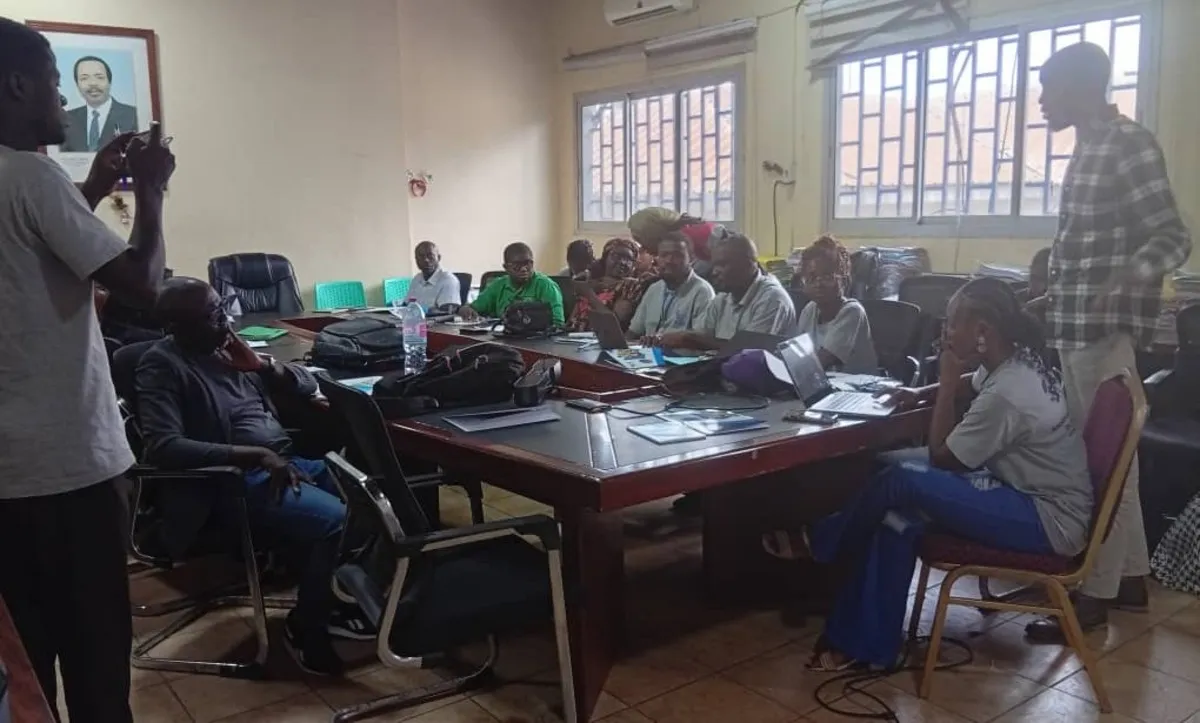
A project to improve access to vaccination and nutrition services in the Centre region, funded by UNICEF and implemented by Seed of Health And Development (SHAD), shows encouraging results after seven months of activity. The project's results were presented on February 27 in Yaoundé, highlighting a significant improvement in vaccination and nutritional coverage in six health districts in the region.
In numbers, 1,852 children benefited from vitamin A supplementation, an essential nutrient for their growth and development. In addition, 387 children who had not received any vaccine doses were caught up, and 241 adolescents were vaccinated against HPV, a virus responsible for certain cancers. These data were presented at a workshop in the presence of the regional delegation of Public Health for the Centre, the SHAD coordinator, heads of health districts and representatives of the Ministry of Public Health.
The project particularly targets the health areas of Nlongkak (DS Djoungolo), Mokolo (DS Cité Verte) and Mimboman (DS Nkoldongo), areas identified for their poor performance in terms of vaccination and nutrition. A human-centered approach has been favored, closely involving communities in identifying obstacles and co-constructing solutions adapted to local realities.
Between February and December 2025, several indicators saw significant progress. Vitamin A supplementation increased from 1,763 to 2,220 beneficiaries, anti-HPV vaccination from 646 to 1,196, and initiations under protocol from 747 to 1,097. Referred cases also increased, from 24 to 95. Only iron-folic acid supplementation recorded a decline, from 240 to 136 beneficiaries.
In total, 322 community feedbacks were collected, half of which concerned the SBC platform and 16% vaccination. In the field, teams conducted rapid surveys, organized co-creation workshops and community dialogues, and strengthened interpersonal communication and data monitoring. Catch-up vaccination sessions were also put in place.
In terms of neonatal nutrition, 347 cases of early breastfeeding were recorded, and 114 adolescents benefited from iron-folic acid supplementation. Participants highlighted the synergy between SHAD and the health districts, as well as the progressive integration of activities within routine services. Challenges remain, including the fight against rumors and the continued availability of nutritional inputs.
The ultimate objective of the project is to increase vaccination coverage among zero-dose children by at least 15%, increase the HPV vaccination rate by 10% and improve vitamin A supplementation by 15%. Stakeholders reaffirmed their commitment to consolidating these achievements to bring essential services closer to the most vulnerable populations in a sustainable manner. UNICEF continues to play a key role in supporting vaccination efforts in Cameroon, particularly in terms of logistics and the provision of equipment.