


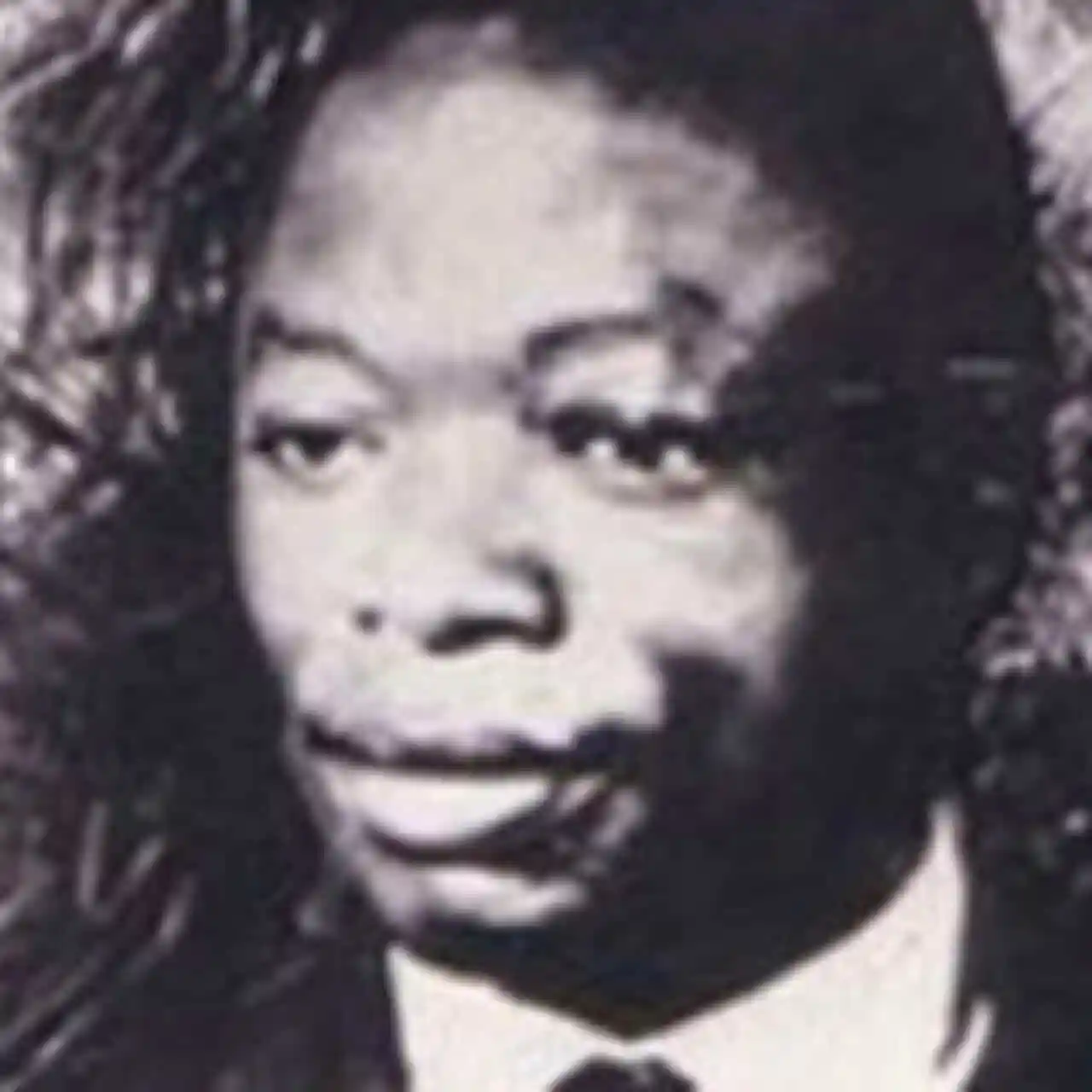
In 1952, Ruben Um Nyobe, a leading figure in the struggle for Cameroon's independence, was invited to speak before the United Nations General Assembly. His trip to New York took an unexpected turn when he found himself stranded in Paris for a month, a victim of a blockade orchestrated by the American government.
Upon arriving in Paris, Um Nyobe needed to obtain a visa to the United States, necessary to participate in the UN assembly. However, despite the official invitation from the UN Secretary-General, the American ambassador at the time, James Clement Dunn, stubbornly refused to grant him this visa. This decision, according to some sources, was influenced by pressure from the French authorities, anxious to prevent Um Nyobe from exposing the issue of Kamerun's self-determination on the international stage. James Clement Dunn served as the United States Ambassador to France from 1952 to 1953.
During this forced stay in Paris, financed by the African diaspora, Um Nyobe expressed his dismay at the attitude of American officials. He questioned the contrast between this blockade and the values instilled in him by American missionaries, notably Mrs. Suzann Cozzens, who had introduced him to the ideas of democracy and the right of peoples to self-determination through the works of Thomas Paine, John Locke, and Ezra Styles. He also recalled the support provided by American pastors like Ta Neal and Johnston, who had helped and hidden revolutionaries persecuted by the French army.
Eventually, a shift in American foreign policy, influenced by the arrival of President Eisenhower and the actions of Allen Dulles, as well as the death of Stalin, led the United States to reconsider its position towards nationalist movements. Allen Dulles was appointed Deputy Director of Central Intelligence on August 23, 1951, and became the first civilian Director of Central Intelligence under President Eisenhower.
Um Nyobe was finally able to travel to the UN where he denounced French colonial rule in Cameroon and advocated for the reunification of British and French Cameroon, demanding a specific timetable for independence and the creation of a Cameroonian legislative assembly. His speech left a lasting impression, making him an emblematic figure in the struggle for independence, even though the French authorities tried to minimize its impact.
Um Nyobe's action at the UN in 1952 remains a key moment in Cameroon's history, illustrating the complexities of the struggle for independence and the international power plays of the time.


