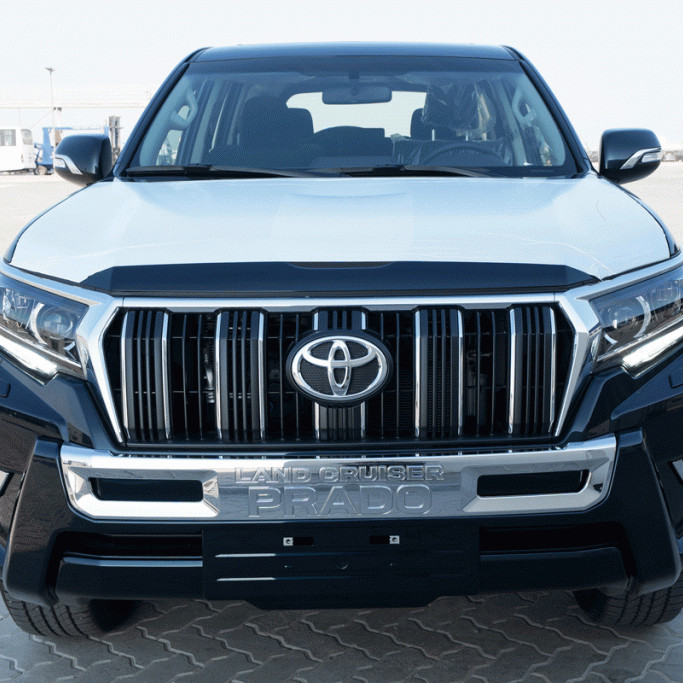
The Cameroonian government has decided to crack down on old vehicles with the 2026 Finance Law. This new law introduces a tax scale that significantly increases the cost of importing used cars, particularly targeting older models.
Importing used cars will no longer be cheap. From now on, the State sets progressive registration fees based on the year the vehicle was manufactured. Vehicles between 12 and 20 years old will be taxed at 12.5%, while those over 20 years old will see their tax rate rise to 25%. This measure applies to all categories of vehicles, including passenger cars, commercial vehicles, buses and trailers.
The main objective is to modernise the national car fleet. The authorities believe that Cameroonian roads still have too many old vehicles, which are sources of pollution and insecurity. By increasing the cost of importing old models, the government hopes to encourage buyers to opt for newer vehicles.
This measure mainly targets professional importers of used cars, whose business model is based on buying cheap old vehicles and reselling them with a profit margin. The new taxation should reduce this margin or pass it on to the final consumer.
The registration fee is an indirect tax levied by the State on certain activities or products. For imported vehicles, it is added to customs duties and VAT. In 2026, this tax will become a major tool in Cameroonian automotive policy, aimed at changing purchasing behaviour.
Beyond imports, the entire automotive sector will have to adapt. Garages specialising in old models could see their customer base shrink, and spare parts sellers for old vehicles could also suffer the consequences. The government's message is clear: the future belongs to newer cars.
However, this reform raises questions about household purchasing power. In a country where the new car market remains inaccessible to many, used cars are often the only individual mobility option. By increasing the cost of old models, the State risks depriving some families of their only means of transport.
Importers fear a fall in import volumes and a surge in prices on the domestic market. Vehicles already in Cameroon could increase in value, making buying used even more difficult for the middle classes.
The government also justifies this measure by concerns about road safety and the environment. Old vehicles are often involved in accidents due to defective brakes or worn tyres, and they pollute more.
Cameroon is following the example of other West African countries that have restricted the import of old vehicles. It remains to be seen whether this measure will achieve its objectives without creating new inequalities. The coming months will tell whether this reform produces the desired effects or whether it widens the gap between those who can afford a new car and those who will remain on the sidelines.