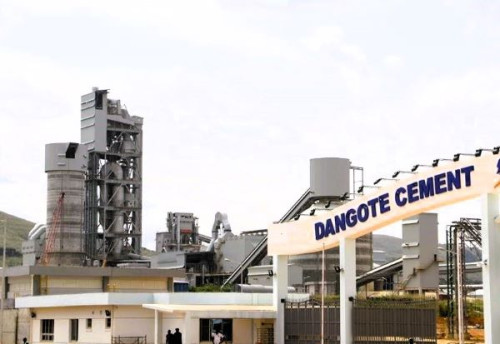
In 2025, Nigeria continued to play a key role in supplying Cameroon with clinker, a vital component in cement production for Dangote Cement's local subsidiary. According to the group's audited financial statements, clinker exports to Cameroon and Ghana reached 970,100 tons.
This volume, transported by 34 ships, represents a 6.9% increase compared to 2024. Dangote Cement's data reveals that Cameroon and Ghana absorbed 69.3% of Nigerian clinker exports during this period. In total, Nigeria's clinker exports reached 1.4 million tons, an 18.6% increase compared to the previous year.
Although the exact distribution of volumes between Cameroon and Ghana is not specified, this supply helped maintain production at the Cameroonian subsidiary, despite a context of commercial downturn. Subsidiary sales decreased by 14.1% in 2025, with cement volumes sold at 1.2 million tons, compared to 1.4 million tons in 2024. This 200,000-ton decrease is attributed by Dangote Cement to "election-related uncertainties". The group refers to the presidential election in October 2025, the results of which led to unrest and affected economic activity, particularly in Douala, where the Dangote Cement plant is located.
Despite this decline in 2025, Dangote Cement anticipates an improvement in the Cameroonian market in 2026. The group expects that ongoing infrastructure projects, such as the Douala-Yaoundé highway and various road projects, will stimulate cement demand in the short and medium term. To strengthen its production in Cameroon and other African countries, Dangote Cement signed a $1 billion contract with the Chinese company Sinoma Engineering on February 28, 2026. Two options are being considered: expanding the Douala plant or reviving the project to build a cement plant in Nomayos, near Yaoundé, which has been on hold for over 10 years.
The arrival of Dangote Cement in Cameroon in 2015 ended a 48-year monopoly by Cimenteries du Cameroun (Cimencam). The group aims to increase its cement and clinker exports to 10 million tons by 2030, compared to 1.4 million tons in 2025.