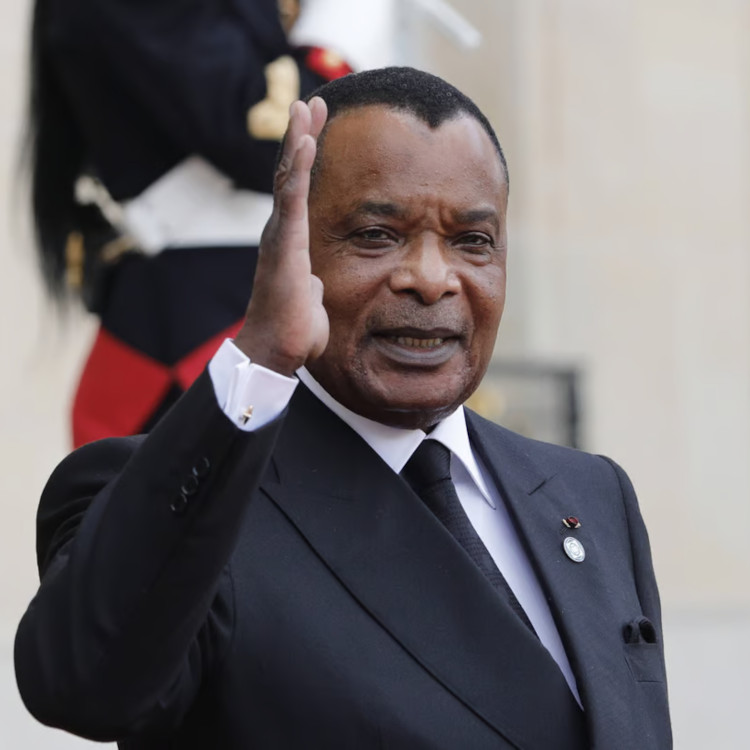
Congolese President Denis Sassou Nguesso, who has been in power for 42 years, has stated that he will not remain in power "forever". This declaration, made while he is seeking another five-year term, has raised questions about his true intentions.
Sassou Nguesso, 82 years old, is a candidate in the upcoming presidential election. He led Congo from 1979 to 1992, and then returned to power in 1997 after a civil war. His long presence at the head of the country has marked Congolese political history.
The president's statement can be interpreted as an attempt to respond to criticism regarding political alternation. By acknowledging that his reign is not eternal, he may be seeking to defuse tensions and prepare public opinion for a possible succession. However, some observers believe that this statement is simply a political strategy to maintain the status quo.
The notion of "eternity" in the political context is relative. For a leader of 82 years old, it may mean beyond his own life. But for many Congolese, 42 years in power already represent an eternity, especially since it exceeds the average life expectancy in several African countries.
In the short term, this declaration is not expected to have a significant impact on the political situation. Sassou Nguesso is still a candidate and could be re-elected. In the long term, it could pave the way for discussions on succession and the political future of Congo.
The question of whether a leader's words about his eventual departure should be taken seriously remains. The political future of Congo will depend on the actions and decisions that will be taken in the years to come. Sassou Nguesso has recently launched road development projects and promotes environmental initiatives.