Cameroon's liquid hydrocarbon production experienced a notable evolution between 2012 and 2023, marked by an initial expansion, a peak in 2015, and then a gradual decline. This trajectory raises crucial questions about the country's energy strategy and the management of its public finances. In 2025, Cameroon's oil production is expected to fall to 2.9 million tons, according to projections from the Bank of Central African States (BEAC).
Between 2012 and 2015, Cameroonian oil production saw significant growth, rising from 22.35 million barrels to a peak of 34.97 million. However, from 2016 onwards, this trend reversed, with a notable decrease between 2017 and 2018, bringing volumes back to 25.13 million barrels. A brief stabilization was observed around 26 million barrels between 2019 and 2020, before a further decrease. In 2023, production stood at 23.88 million barrels, a reduction of nearly 32% compared to the 2015 peak.
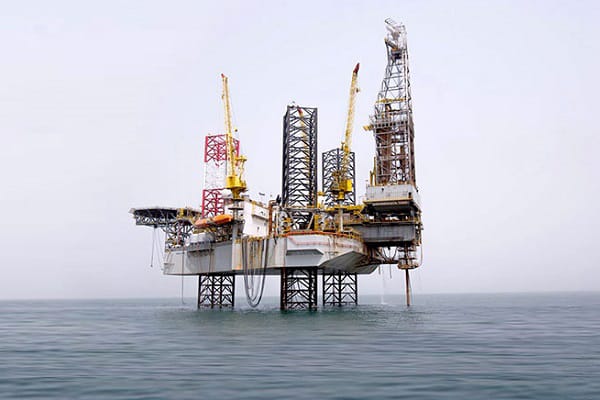
The decline in Cameroonian oil production is mainly due to the aging of oil fields. As oil fields reach maturity, their yield decreases, and technical challenges increase, impacting extracted volumes. The 2020 health crisis also disrupted operations and delayed investments, slowing the renewal of production capacities.
The economic implications of this production decline are considerable. The decrease in volumes reduces the potential for revenue and foreign exchange earnings, despite the possibility of mitigation through rising international prices. This increased dependence on fluctuations in world prices increases the state's budgetary vulnerability. The decline in export volumes could also put pressure on the trade balance, unless there is economic diversification or increased local valorization of resources.
In the short term, it is crucial to slow the decline in production through targeted investments in maintenance, optimization of facilities, and assisted recovery techniques. In the medium term, a strategic decision is necessary between extending the lifespan of mature fields and accelerating economic diversification. Data transparency, particularly from reports of the Extractive Industries Transparency Initiative (EITI), remains essential to assess the impact of investment choices and tax policy on the viability of public finances.
Cameroon has proven oil reserves of 200 million barrels as of 2025, ranking it 56th in the world. The country produces 61,848 barrels of oil per day, positioning it at 57th worldwide. Natural gas reserves are estimated at 4.8 billion cubic feet, much of which remains unexploited.
Faced with these challenges, the Cameroonian government forecasts a decline in oil revenues until 2027, despite an expected recovery in production after 2025. This decline is attributed to a reduction in royalties collected on oil and gas sales by the National Hydrocarbons Corporation (SNH) and a decrease in taxes on oil companies. Economic diversification and rigorous management of natural resources therefore appear essential to ensure Cameroon's financial stability.
Oil production attributable to Glencore in Cameroon fell by 31% in the first nine months of 2025, reflecting the continued decline in the Anglo-Swiss trader's production in the country. Glencore's net share of production was 122,000 barrels over the period, compared to 176,000 barrels in the same period in 2024. Cameroonian authorities have lowered their production forecasts for the current fiscal year, with national crude oil production revised from 20.71 million to 19.81 million barrels.
Data transparency and increased diversification of the economy will be essential to ensure Cameroon's financial stability in the face of this sustained decline in oil production.