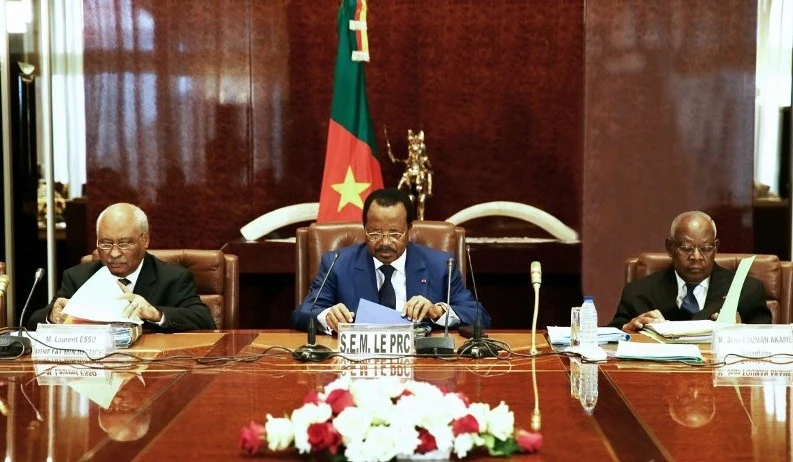
After more than five years of inactivity, Cameroon's Higher Judicial Council (CSM) is convening this Wednesday, March 18, 2026, in Yaoundé. This convocation, the first since August 2020, is generating high expectations within the judicial body and among citizens.
The CSM, chaired by the President of the Republic, plays a crucial role in managing the careers of magistrates, including appointments, promotions, transfers, and disciplinary matters. Its lengthy absence has led to a backlog of cases, vacant positions, and prolonged waiting times for young magistrates from the National School of Administration and Magistracy (ENAM).
Three major issues are on the agenda for this session. Firstly, the integration of young magistrates from recent ENAM promotions, the exact number of which remains to be confirmed. Secondly, strategic appointments to the positions of presidents of the courts of appeal and general prosecutors in the country's ten regions, key positions within the judicial system.
Finally, the CSM will examine disciplinary cases involving magistrates accused of undue delays, unethical behavior, or corruption. This issue is particularly sensitive, as Cameroonian citizens aspire to a faster and more efficient justice system, as well as a reduction in prison overcrowding.
The resumption of activities of the Higher Judicial Council is seen as a potential sign of dynamism within the Cameroonian judicial system. However, significant challenges remain, particularly regarding the independence of the judiciary, the influence of the executive branch, and the fight against corruption.
The Cameroonian judicial system is a bijural system, a legacy of colonization, with traditions of French civil law and English common law. This duality has led to a gradual unification of laws, but disparities and challenges persist. The Higher Judicial Council has an essential role to play in ensuring the fair and effective application of justice for all Cameroonian citizens.
The March 18 session could mark a turning point in the management of justice in Cameroon, provided that concrete measures are taken to strengthen the independence of the judiciary and combat corruption. There is strong expectation, both from magistrates and the population, that this meeting will lead to tangible and lasting improvements.