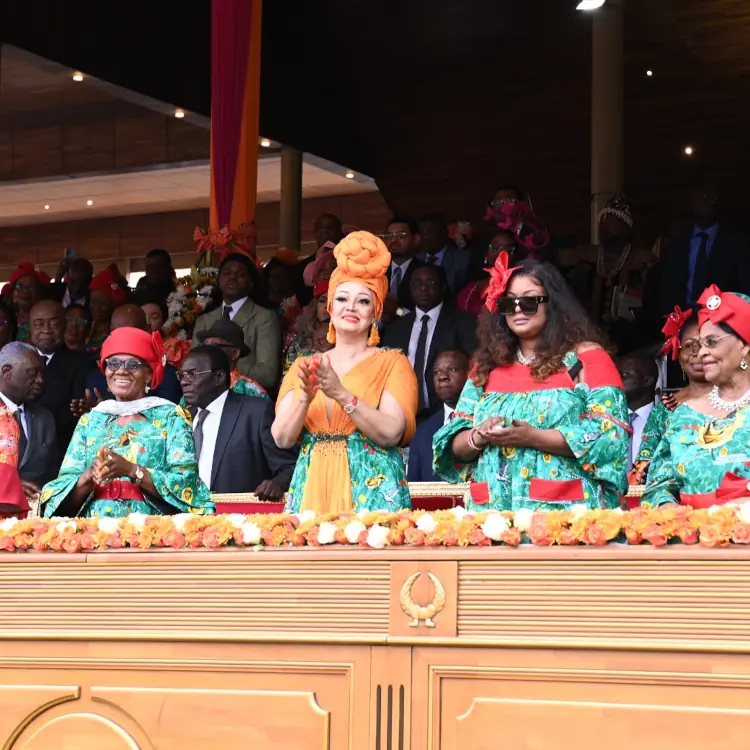
Brenda Biya, daughter of President Paul Biya, attended the International Women's Day parade on March 8, 2026, alongside her mother, Chantal Biya. This public appearance has raised questions, given Brenda Biya's openly lesbian sexual orientation, in a country where homosexuality is criminalized.
In Cameroon, Article 347-1 of the Penal Code punishes sexual relations between persons of the same sex with imprisonment from six months to five years, along with a fine. This law, inherited from the post-colonial period, is seen by some as a mechanism to protect social values and resist practices imposed by the French colonial administration.
Brenda Biya's presence at the presidential tribune is interpreted in different ways. Some believe that the civil cabinet did not fully measure the symbolic consequences of this appearance. Others believe that Chantal Biya personally insisted that her daughter be at her side, thus ignoring protocol recommendations. This situation highlights potential tensions within the presidency and raises questions about decision-making processes.
The schooling of the presidential couple's children in Europe, including Brenda Biya's time at the Collège du Léman in Geneva, is also a subject of debate. Some critics see this as a problematic acculturation, distancing the Biya children from Cameroonian realities and sensitivities.
This case raises questions about the application of the law and the equality of all before it. Cameroonian lawyers are wondering whether to open an investigation. In the long term, this episode could mark the judicial annals, with some calling for Chantal Biya and her daughter to be held accountable for their actions before the courts.
In July 2024, Brenda Biya had publicly called for the decriminalization of homosexuality in Cameroon. Her presence at the March 8, 2026 parade, in a context of continued repression of LGBTQ+ people in Cameroon, highlights the contrast between her privileged status and the reality experienced by many Cameroonians.
The issue of homosexuality remains a sensitive subject in Cameroon, where LGBTQ+ people face stigmatization, discrimination and violence. Local organizations are working clandestinely to provide them with support and assistance.