Cameroon is intensifying its efforts to encourage the energy transition and improve access to potable water by expanding tax incentives. A circular, signed by the Minister of Finance, Louis Paul Motazé, on February 12, 2026, details a specific list of equipment, classified according to the Harmonized System (HS), which are intended for the production of potable water and renewable energies, including solar, wind, and biomass.
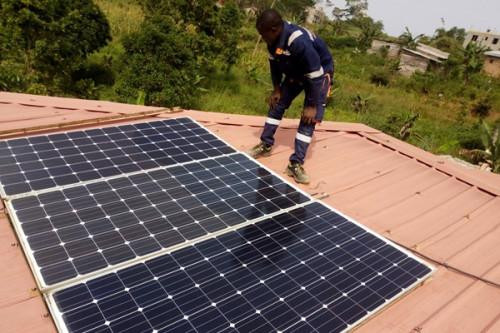
The list of equipment concerned is extensive and includes essential items such as photovoltaic panels, deep-cycle batteries, solar cables, pumps, inverters, hydroelectric turbines, various control and regulation instruments, as well as biogas purification systems and drilling units. This equipment will benefit from a total exemption from customs duties and taxes for a period of 12 months.
This government initiative aims to reduce the initial costs of investments in the alternative energy and potable water production sectors. By removing the financial barriers associated with importing this equipment, Cameroon hopes to attract more investment and accelerate the deployment of these technologies throughout the country.
The circular from the Minister of Finance emphasizes that economic operators who import this equipment duty-free are obliged to pass on this tax benefit to the selling prices for end consumers. The main objective is to ensure that the customs incentive benefits the entire population and is not only captured by importers.
Coercive measures are also planned to ensure compliance with these commitments. Operators who fail to comply with this obligation are liable to sanctions in accordance with the Customs Code of Cemac (Economic and Monetary Community of Central Africa). In addition, any re-export of goods imported under this preferential regime will be subject to prior payment of the duties and taxes initially suspended.
By granting these tax exemptions, Cameroon aims to stimulate investment in energy and water production equipment, particularly in underserved regions. This measure aims to promote the adoption of alternative solutions, especially in rural areas, where access to electricity and potable water remains a major challenge. The Cameroonian government hopes to improve the living conditions of the population and promote more sustainable economic development.
This initiative is part of a broader trend in Central Africa, where several countries are seeking to diversify their energy sources and improve access to potable water through tax incentives and favorable public policies.