In Cameroon, the shortcomings of the healthcare system lead to a significant annual loss, estimated between 280 and 420 billion FCFA, or up to 1.8% of the GDP. This financial drain, which goes beyond the health sector alone, reveals a deep imbalance and widespread inefficiency.
Charles Menye, president of the CEMAC Citizen Committee for Financial Vigilance (CVFC), emphasizes that the country spends more on dealing with the consequences of its failing healthcare system than on effectively treating it. The World Health Organization (WHO) estimates that 20 to 30% of healthcare budgets disappear in countries with fragile governance, representing a loss of 50 to 90 billion FCFA per year for Cameroon, due to a lack of rigor and accountability mechanisms.
Medical errors, although limited, generate avoidable expenses of more than 10 billion FCFA annually. The lack of continuous training for medical staff exacerbates the situation, leading to late diagnoses and inappropriate actions, with an additional cost of around 30 billion FCFA. Poorly maintained infrastructure adds an extra burden of 20 to 30 billion FCFA.
Corruption is a major issue, with overbilling, fictitious contracts, and embezzlement of funds absorbing between 20 and 40 billion FCFA each year. Charles Menye warns of the systemic nature of this phenomenon, fueled by opacity and impunity. Beyond budgetary losses, this situation has a direct impact on the national economy, hindering productivity and weighing on growth. Each premature death of an active individual represents a considerable loss of wealth, amounting to hundreds of billions nationwide.
Cameroonian households bear a significant share of healthcare expenses, with 70% of the costs falling on them. Illness thus becomes a factor of rapid impoverishment, leading to asset sales, increased debt, and school dropouts. This financial pressure acts as an invisible tax on the economy, durably weakening domestic demand.
Faced with these challenges, the CVFC calls for an overhaul of the healthcare system, emphasizing the importance of spending better rather than spending more. Independent audits, increased transparency in procurement, continuous staff training, and modernization of governance are necessary. Cameroon must choose between continuing to lose billions in inefficiency and investing to unlock its productive potential.
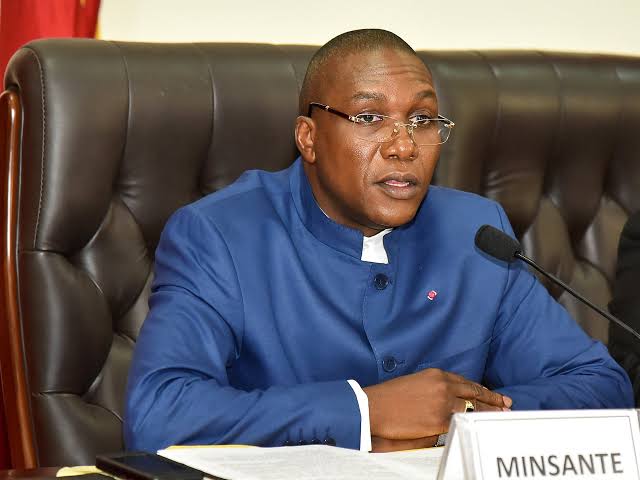
In December 2024, the Minister of Public Health, Manaouda Malachie, revealed before the National Assembly that the Cameroonian healthcare system faces a shortage of 68,000 healthcare workers, an increase compared to the deficit of 55,000 observed in 2021. The current situation highlights the need for urgent action to improve the efficiency and governance of the healthcare sector in Cameroon.
Lack of access to basic health services due to corruption has forced many Cameroonians to pay bribes to medical providers for health services that should be free under the law.