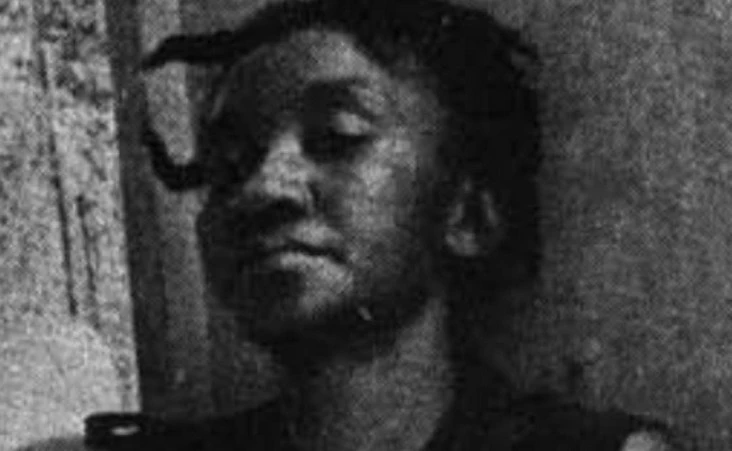
In Cameroon, the death penalty, although still present in the penal code, has not been applied since 1997. The story of Marinette Ndomè Dikoum, sentenced to death in 1984, illustrates this reality. Convicted of the murder of her husband, Vincent Dikoum, an executive at CAMBANK, she was eventually released after several years of detention.
On the night of January 29, 1983, Vincent Dikoum, 37, was brutally murdered in his sleep in Yaoundé. The investigation quickly revealed that his wife, Marinette Ndomè, and her lover, Richard Ambang Mbadjé, orchestrated the crime. Three henchmen, recruited by the couple, stabbed Vincent Dikoum. The body was then thrown into the Sanaga River, near Ntui, in an attempt to conceal the crime.
In July 1984, the Mfoundi High Court sentenced Marinette Ndomè, Richard Ambang Mbadjé, Ombouté Jean-Pierre, and Ndzana Louis Bertin to death. Pouli Roger received a 10-year prison sentence. The Court of Appeal upheld the sentence. However, the death penalty was never carried out.
Over the years, the sentences were commuted, or the convicts benefited from clemency measures. Marinette Ndomè was released after spending nearly 25 years in prison. She now lives in France. Her accomplices were also released, returning to their villages. Richard Ambang Mbadjé died in April 2025, a free man.
Cameroon has not carried out any official executions since 1997, making it a de facto abolitionist country. However, the death penalty remains in the penal code, particularly for terrorism-related offenses. Human rights organizations, such as Amnesty International, are campaigning for the total abolition of the death penalty in Cameroon.
The Marinette Ndomè Dikoum case, which deeply affected Cameroonians, raises questions about the application of the death penalty and the evolution of the judicial system in Cameroon. Despite the death sentences handed down, the absence of executions for more than two decades reflects a trend towards abolition.