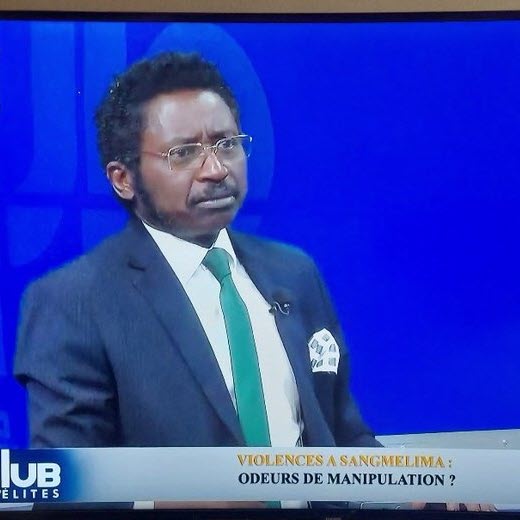
The Cameroonian presidential election of October 12, 2025, continues to spark critical analysis, notably from academic Jean Calvin Aba'a Oyono. According to him, the electoral process was marred by irregularities and maneuvers that led to a confiscation of power, undermining the constitutional rights of the Cameroonian people.
Aba'a Oyono denounces a series of events that occurred before and during the election, including attempted kidnappings of candidates, the military encirclement of opposition figures, the proclamation of contested results, and the imprisonment of opposition supporters. He describes these actions as an "incredible and ludicrous purge," highlighting a structural discrimination in the electoral process. The postponement of the municipal council election, a prerequisite for regional elections, deprived the opposition of an opportunity to strengthen its position.
The academic also criticizes the use of fear as a tool of governance, where coercion replaces consent. According to him, this widespread fear explains the silence of academics, the silencing of dissenting voices, and the violent repression of protests. The extension of the mandate of deputies in the National Assembly is seen as another maneuver to avoid the transparency of the ballot box and maintain an "undivided reign".
Aba'a Oyono warns against a paralysis of the opposition, which, deprived of electoral deadlines, risks dying out. He describes this situation as a "strategically programmed paralysis of opposition political parties," a trap aimed at lulling the active forces to sleep and letting the popular mobilization observed in October 2025 fade away.
Faced with this observation, Aba'a Oyono calls on the opposition to reinvent itself and break the calendar imposed by the government. He insists on the need for political parties to keep their activist base on constant alert, stressing that waiting until the eve of the elections to remobilize would be a fatal mistake. He thus invites the opposition to keep the flame of protest alive and remain proactive, even in the absence of immediate electoral deadlines.
The fragmentation of the Cameroonian opposition is a major challenge, with many parties having limited regional reach. Aba'a Oyono's call for unity comes in a context where the CPDM (Cameroon People's Democratic Movement), the ruling party, has dominated the political scene for decades, thanks in particular to an electoral system that favors established parties.
Aba'a Oyono's analysis highlights the crucial issues facing Cameroonian democracy, where the vigilance of the opposition and citizen participation appear as essential elements to guarantee a fair and transparent electoral process. The political future of Cameroon will depend on the ability of the opposition to overcome these challenges and offer a credible alternative to the government in power. The fragmentation of the opposition could facilitate another victory for the CPDM.