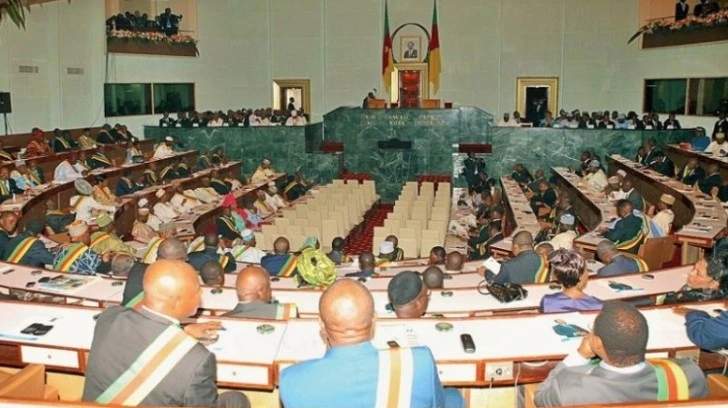
Cameroon's National Assembly is set to review a potentially historic bill this Monday, March 30, 2026: the creation of a Vice-Presidency. This initiative, revealed in the agenda sent to the deputies, immediately reignites speculation about the presidential succession, a sensitive topic in Cameroon.
According to the official document, the Committee on Constitutional Laws is tasked with examining the bill and adopting a report in record time. The parliamentary schedule includes a committee meeting on March 30, followed by the adoption of the report on March 31, before a plenary session on the same day. This speed suggests to some observers that the political decision has already been made at the highest level and that the text has been prepared in advance.
Although the exact content of the bill has not been officially disclosed, information is circulating that the Vice-President would be appointed by the President of the Republic. Its primary function would be to ensure the continuity of the State and to complete the presidential term in the event of a vacancy of power. Such a Vice-President position already existed in Cameroon before being abolished in 1972, during the establishment of the unitary state under Ahmadou Ahidjo. Its reintroduction would therefore constitute a major constitutional turning point after more than fifty years.
The review of this bill comes amid a recurring debate about the future of the Cameroonian executive. The question of the succession of President Paul Biya, in power since 1982, is regularly raised. The creation of a Vice-President position appointed by the Head of State is seen by some as a way to organize a framed political transition. Attention is now focused on the National Assembly in Yaoundé, where the adoption of this bill could open a new constitutional era for Cameroon.