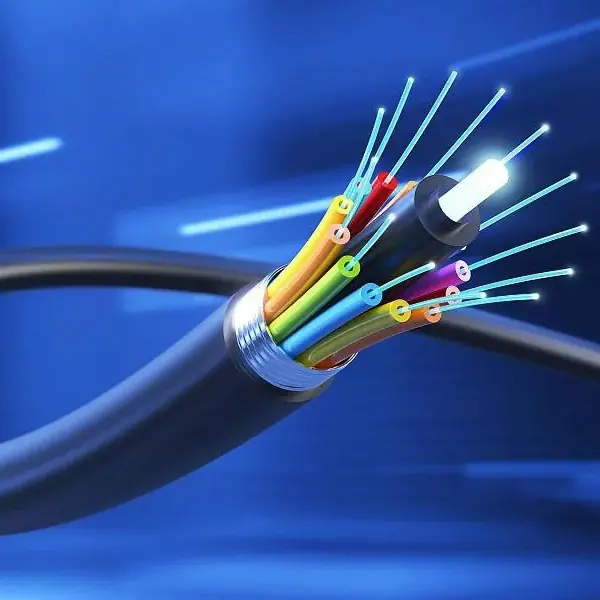
Cameroon is banking on digital technology to boost its economic development. President Paul Biya signed a decree on March 6, 2026, authorizing a loan agreement with the Chinese bank EXIMBANK for an amount of 108.4 billion FCFA. These funds are specifically allocated to Phase IV of the country's fiber optic transmission network expansion project.
This ambitious project aims to extend the fiber optic network throughout Cameroon, particularly targeting underserved or unconnected areas. The goal is to bridge the digital divide between cities and rural areas, providing more equitable high-speed internet access.
Fiber optics are considered the backbone of the Cameroonian internet network. Previous phases of the project have connected major cities and regional capitals. This new phase focuses on secondary areas and landlocked localities, often neglected by private operators.
The agreement with EXIMBANK China is part of a long-standing partnership, with the bank already financing numerous infrastructure projects in Africa. For Cameroon, China is a major financial partner in the development of essential infrastructure.
The expansion of the fiber optic network is expected to bring tangible benefits to the population. Local administrations will be able to improve their digital services, schools and universities will have access to online educational resources, and health centers will be able to develop telemedicine. The development of teleworking and online commerce is also expected, which could attract more investment.
Despite these positive prospects, significant challenges remain. Cameroon's varied terrain, the remoteness of some areas, and the security of equipment are all obstacles to overcome. Harmonious integration with existing networks and anticipation of future bandwidth needs will also need to be ensured.
Some observers are concerned about Cameroon's growing debt. The details of the loan, such as interest rates and repayment terms, have not been disclosed. The country's ability to sustain this debt in the long term remains a concern.
Beyond the financial aspect, this project is a matter of digital sovereignty. A national network would reduce Cameroon's dependence on international submarine cables and foreign operators. It remains to be seen whether this investment will allow Cameroon to take a new step in its digital development.
In April 2025, a study ranked Cameroon last out of 93 countries in terms of fiber optic development, with a score of 4 out of 100. The country has a network of 15,000 km of fiber optics deployed by the end of 2023, and an additional 3,500 km were planned for 2024. However, this infrastructure remains underutilized. The International Finance Corporation revealed that in 2022, only 15% of the SAT3 cable and 30% of the WACS had been used since their launch.
Cameroon aims to reduce the digital divide, but the pace of fiber optic deployment remains insufficient.