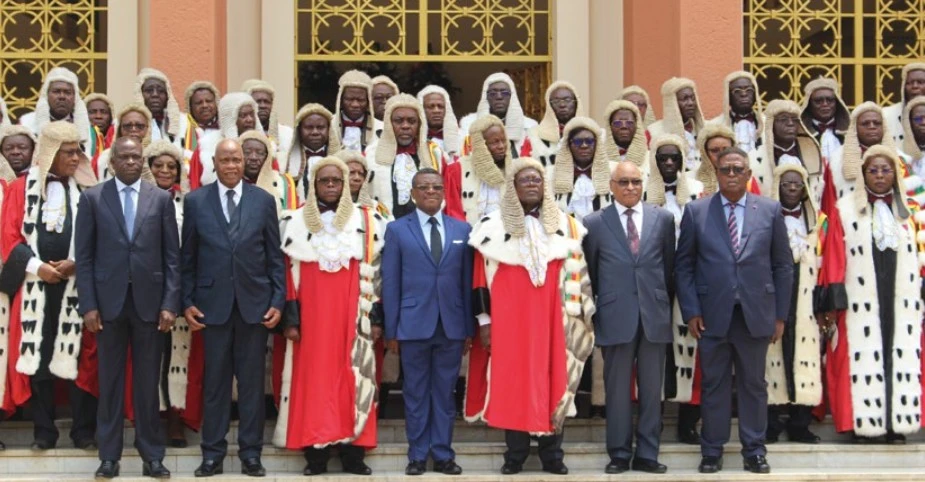
Cameroon's Higher Judicial Council (CSM) convened on March 18, 2026, after five long years of paralysis. This key body, responsible for ensuring the independence of the judiciary and managing the careers of magistrates, had not been convened since August 2020. This absence of meetings has created a crisis within the Cameroonian judicial system, with direct consequences for the assignment of young magistrates, the overcrowding of courts and the fight against corruption.
The CSM is the constitutional body that assists the President of the Republic in his mission to guarantee the independence of the judiciary. It is notably competent in matters of appointments, transfers, promotions and disciplinary sanctions of magistrates. Law No. 82-014 of November 26, 1982 entrusts the presidency of the CSM to the Head of State, Paul Biya, who is also the only person authorized to convene the body. This configuration places an entire institution under the dependence of the executive branch, raising questions about the real separation of powers.
The absence of a CSM meeting has had concrete repercussions on the functioning of justice in Cameroon. Newly trained magistrates from the National School of Administration and Magistracy (ENAM) find themselves waiting for assignment, while the courts are overwhelmed by the accumulation of cases. This congestion favors corruption and harms the country's attractiveness to investors, who seek a stable and predictable legal environment. Cameroon's public debt is currently close to 13,000 billion CFA francs, a context that underscores the importance of good governance and an efficient judiciary.
Faced with this situation, voices are being raised to demand a profound reform of the Cameroonian judicial system. Lawyers are advocating for a real separation of powers, where the judicial body would no longer be under the supervision of the executive branch. The urgency of the situation is underscored by the fact that the mandates of several CSM members have expired, further weakening the legitimacy of the body.
The meeting of the Higher Judicial Council on March 18, 2026 is therefore a highly anticipated event, raising hopes for a revival of the Cameroonian judicial system. The decisions taken during this session could have a significant impact on the careers of magistrates, the functioning of the courts and the fight against corruption. It remains to be seen whether this meeting will mark the beginning of a genuine reform of justice in Cameroon.