On March 29, the Executive Committee of the Confederation of African Football (CAF) approved an emergency plan to transform African football, focusing on league funding, strengthened club licensing, and improved stadium infrastructure. This initiative marks a crucial step towards retaining African talent on the continent and developing world-class clubs.
CAF, meeting in an extraordinary session, validated an unprecedented structural program to modernize African championships and align them with international standards. The plan revolves around three main axes: increased financial assistance to national leagues, a more rigorous club licensing system for access to continental competitions, and the obligation for each federation to have at least two Category A approved stadiums.
This reform comes in response to the structural paradox of African football, which produces world-class talent but struggles to retain it. African clubs often serve as stepping stones to Europe, due to aging infrastructure and sometimes opaque financial management. The modernization of stadiums is therefore essential for the economic credibility of African football, as it determines the attractiveness of TV rights and the ability of clubs to retain their best players.
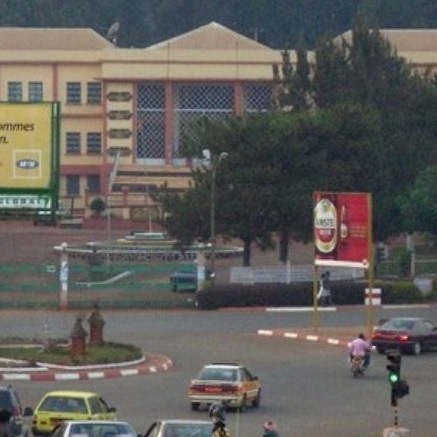
The CAF club licensing system, inspired by the UEFA model, imposes strict sporting, financial, infrastructural and administrative criteria for participation in continental competitions. This mechanism aims to guarantee transparent and verifiable governance. The obligation for each federation to have two Category A stadiums represents a challenge for some countries, but also offers an opportunity to enhance existing infrastructure, such as that built or renovated for the 2021 AFCON in Cameroon.
Financial assistance to national leagues aims to reduce income disparities between rich and poor federations, in order to raise the overall level of competitiveness of African football. In the short term, clubs that do not meet the licensing criteria risk exclusion or relegation, which could force some federations to undertake urgent standardization work.
For Cameroon, which already has recent infrastructure, the main challenge lies in the professionalization of its clubs. In the medium term, if the reform of African football governance bears fruit, the continent could attract more international sponsors, increase its broadcasting rights and create continental rivalries capable of competing with European leagues.
The Saudi Pro League is an example of a league that has managed to rise to power in less than a decade thanks to targeted investments and a clear institutional will. Africa has the talent, and is now working to put in place the necessary framework to retain and develop it.
CAF has implemented a Club Licensing Online Platform (CLOP), an electronic tool designed to manage the licensing process and stadium inspections for continental and domestic competitions.
CAF President Patrice Motsepe stressed that these reforms will allow African senior national team competitions to rank among the best in the world. CAF has also announced a massive increase in direct financial support to national federations, with an annual grant of $1 million for each of its 54 member associations.
Institutional reforms are only as good as their implementation, and the ability of the most fragile federations to comply within the deadlines remains a challenge.