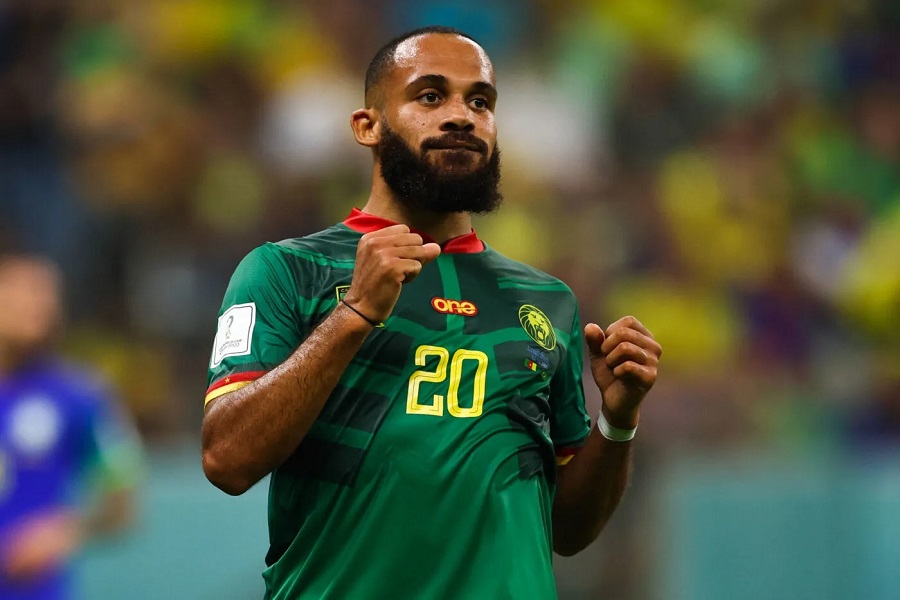
Bryan Mbeumo's absence from the Indomitable Lions' recent friendly matches in Australia has sparked considerable controversy. Initially called up by coach David Pagou for the FIFA Series, the Manchester United striker ultimately did not make the trip, leaving the Cameroonian Football Federation (FECAFOOT) and fans puzzled.
FECAFOOT had hoped that Mbeumo would at least travel to Australia so that its medical staff could assess the extent of his muscle injury. However, the English club reportedly expressed reluctance due to a journey deemed too long and potentially detrimental to the player's recovery. This disagreement quickly ignited social media and fueled speculation about a possible lack of respect from the player towards the national team.
According to sources close to FECAFOOT, the problem lies not so much in the distance of the trip as in the communication between the two parties. Manchester United's response was perceived as a lack of diplomacy by Cameroonian officials, who would have preferred a more collaborative approach in managing the situation. It therefore seems that the crux of the problem is a disagreement over the terms of travel and assessment of Mbeumo's health.
This situation highlights the potential tensions between European clubs and African federations regarding the management of international players. Clubs, anxious to preserve their assets, may sometimes be reluctant to release their players for friendly matches or international competitions, especially when travel is long and the risk of injury is high.
For the time being, Bryan Mbeumo has not publicly commented on this matter. It is important to emphasize that this is not a problem of indiscipline or a lack of respect on his part towards the technical staff or FECAFOOT. The matter appears to be a misunderstanding between FECAFOOT and Manchester United, who must now find common ground to prevent such situations from recurring in the future.
The Cameroonian national team eventually faced Australia and China without Mbeumo, with mixed results. This absence highlighted the team's dependence on its key players and the need to develop alternatives in case of unavailability.
The incident underscores the importance of clear communication and close collaboration between clubs and federations to ensure the smooth running of international deadlines and to preserve the health of players.