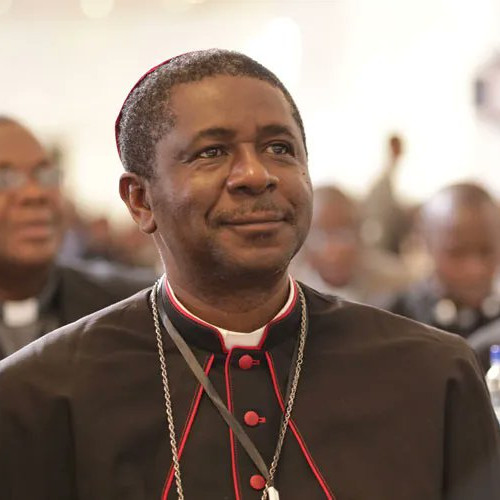
The Archbishop of Bamenda, Mgr Andrew Nkea, has recently shed light on a visit to the presidential palace before the 2025 presidential election. Contrary to suspicions of political support for Paul Biya, then a candidate for re-election, this approach was actually aimed at obtaining an official invitation from the Cameroonian State for the Vatican.
According to Mgr Nkea, the bishops of the ecclesiastical province of Bamenda were eager for the Pope to come to Cameroon. They had already sent an invitation from the Episcopal Conference, but the Vatican also required a formal invitation from the State authorities to consider a papal visit.
In the political context of the time, marked by consultations for the re-election of President Biya, the bishops' visit was seen as a rally. The silence on this subject only fueled the controversy. Mgr Nkea now assumes the political secrecy surrounding this process, while stressing the fortuitous nature of its coincidence with the electoral agenda.
The procedure for a papal visit is indeed strict: it requires a double invitation, emanating both from the local episcopal conference and from the political authorities of the country. The Cameroonian bishops had fulfilled their part, but the State invitation was slow to arrive. The presidency, focused on the re-election of Paul Biya, transformed the meetings for State invitations into demonstrations of political support.
This clarification sheds new light on the criticisms addressed to the Church at that time. Mgr Nkea is now calling for a focus on more important subjects, hoping to close a controversy that has undermined the institution's credibility with some of the faithful.
History will remember that the quest for a papal visit was intertwined with the stakes of a presidential election, blurring the lines between diplomacy and politics. Pope Leo XIV is expected in Cameroon from April 15 to 18, 2026.