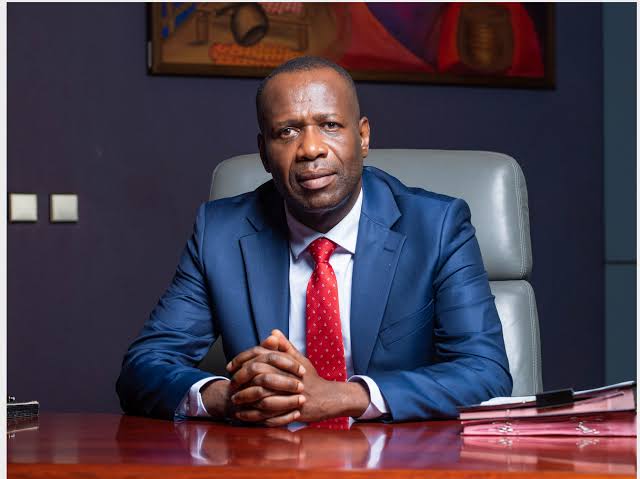
The Bank of Central African States (BEAC) has reaffirmed the commitment of the Economic and Monetary Community of Central Africa (CEMAC) to implement the directives of the heads of state regarding the regulation of the financial technology (Fintech) sector. This announcement follows a high-level roundtable held in Kigali on March 11, 2026, bringing together governors of African central banks to discuss the supervision of financial innovations and their implications for monetary stability and financial inclusion on the continent.
The meeting, chaired by Soraya Hakuziyaremye, Governor of the National Bank of Rwanda (BNR), was attended by Yvon Sana Bangui, Governor of the BEAC and current Chairman of the African Central Banks Association (ACBA). Discussions focused primarily on the challenges related to the regulation of mobile money, neo-banks, crowdfunding platforms and crypto-assets. Yvon Sana Bangui stressed the importance of drawing inspiration from the best African practices, particularly the Rwandan experience in financial innovation.
The Governor of the BEAC recalled that CEMAC is part of the dynamic driven by the Conference of Heads of State, which instructed the community institutions (BEAC, CEMAC Commission, Cobac and Cosumaf) to put in place a harmonized regulatory framework for crypto-assets. He also mentioned the strategic seminar organized in February 2026 in Yaoundé with the IMF, aimed at laying the foundations for strengthened cooperation between regulators, in order to reconcile financial innovation, stability of the monetary system and protection of the monetary sovereignty of member states.
Yvon Sana Bangui advocated greater pooling of experiences between African regions, particularly in the digitalization of financial services and the interoperability of payment systems. As Chairman of the ACBA, his ambition is to implement the African Monetary Institute, a project ultimately aimed at creating an African central bank and monetary union of the continent. The BEAC, under his leadership, is committed to preserving the stability of the CFA franc, strengthening the credibility of monetary policy and supporting financial openness in a structured manner.
The regulation of Fintechs is a crucial issue for CEMAC, which is faced with the need to supervise the rise of electronic money and digital transactions, while combating fraud, money laundering and illicit financial flows. In 2018, CEMAC adopted regulations on payment services, allowing Fintech companies to issue e-money without the obligation of partnership with credit or microfinance institutions. Cameroon's Ministry of Finance has begun enforcing a directive requiring all financial technology operators to obtain formal licenses. Sub-Saharan Africa is undergoing a financial revolution thanks to the rise of local Fintechs, which offer solutions tailored to the realities of the continent and contribute to financial inclusion.