The request for assistance from the family of Henry Fossung, a historical figure in the Anglophone separatist movement who died in the United States, has reignited tensions related to the Anglophone crisis in Cameroon. As his relatives seek the Cameroonian state's help in repatriating his remains and organizing his funeral in Buea, this request is generating mixed reactions in a national context marked by the persistent wounds of the conflict.
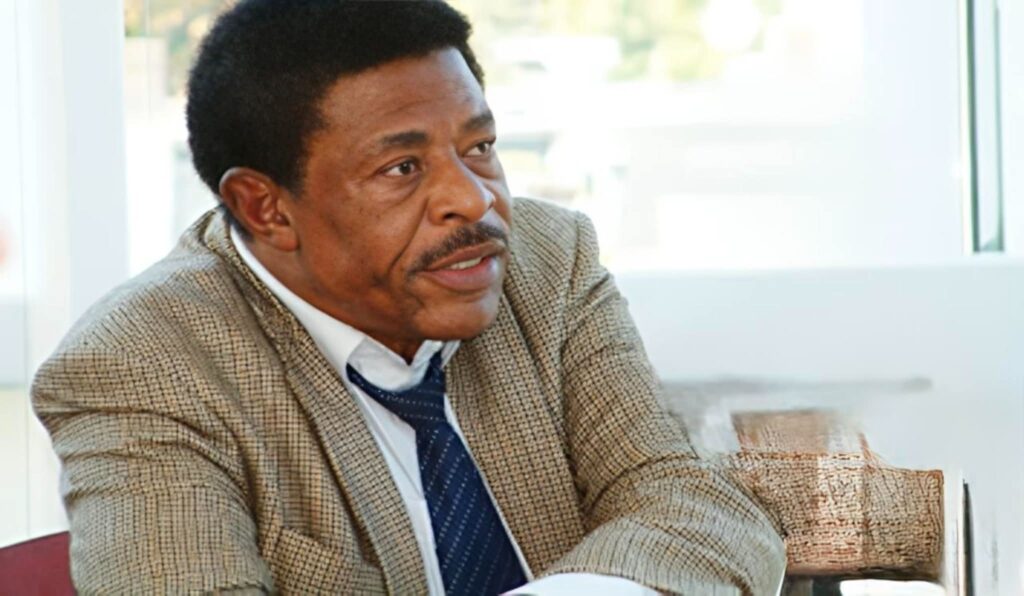
Henry Fossung, a former Cameroonian diplomat, joined the Southern Cameroons National Council (SCNC) and became one of the main spokespersons for the separatist movement abroad. Having recently passed away in the United States, his family now wishes to repatriate his body to Cameroon for burial in his hometown of Buea, in the Southwest region.
In addition to repatriation, the Fossung family has also requested financial assistance of approximately 50 million FCFA from the Cameroonian state to cover the costs of transferring the remains and organizing the funeral. This request has reignited a sensitive debate on the management of the Anglophone crisis and the role of its actors, both nationally and internationally.
The figure of Henry Fossung divides opinion. For some, he was an activist committed to defending the rights of the Anglophone population. For others, he embodied a radicalization that contributed to the escalation of the armed conflict in the Northwest and Southwest regions. For several years, this crisis has caused the death of thousands of people, the destruction of many villages, and the displacement of entire populations.
The request for financial assistance from the Cameroonian state is generating mixed reactions. Some believe that this is a necessary humanitarian gesture that should transcend political divides. Others question the message sent by such an approach, particularly with regard to the relationship between separatist leaders and Cameroonian institutions. Accusations have also been made in the past regarding the granting of political asylum to separatist activists in the United States, fueling controversy surrounding the Anglophone diaspora involved in the movement.
Beyond the specific case of Henry Fossung, this affair highlights the persistence of tensions related to the Anglophone crisis in Cameroon. Between identity claims, political fractures, and the human consequences of the conflict, the subject remains a source of strong emotions and passionate debate in the country. The Cameroonian government has not yet officially reacted to this request for assistance.
The complexity of the situation underscores the need for a nuanced and inclusive approach to address issues related to the Anglophone crisis and foster lasting reconciliation within Cameroonian society.