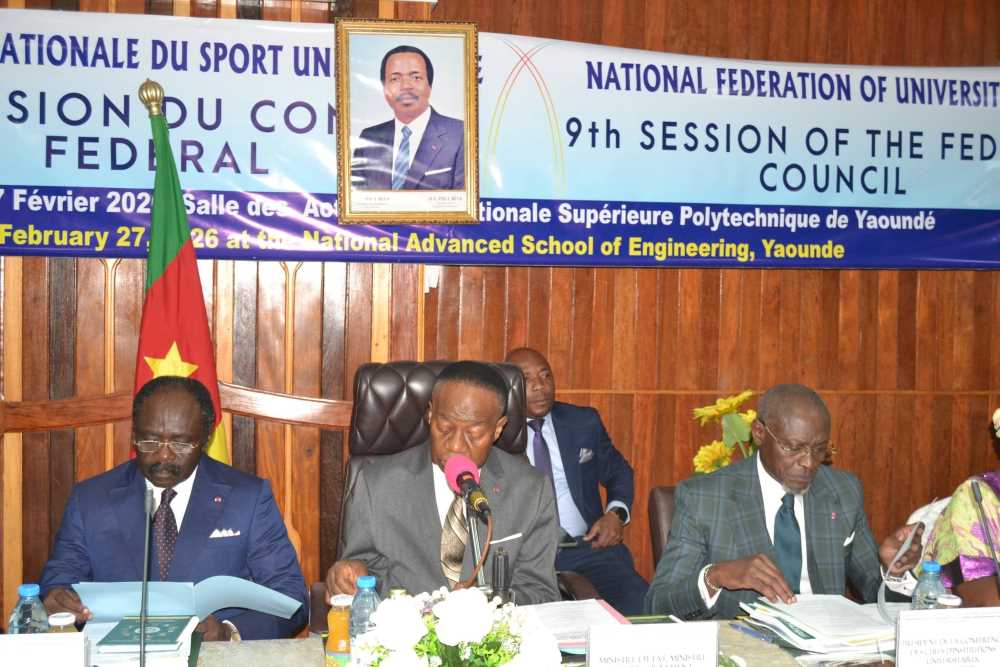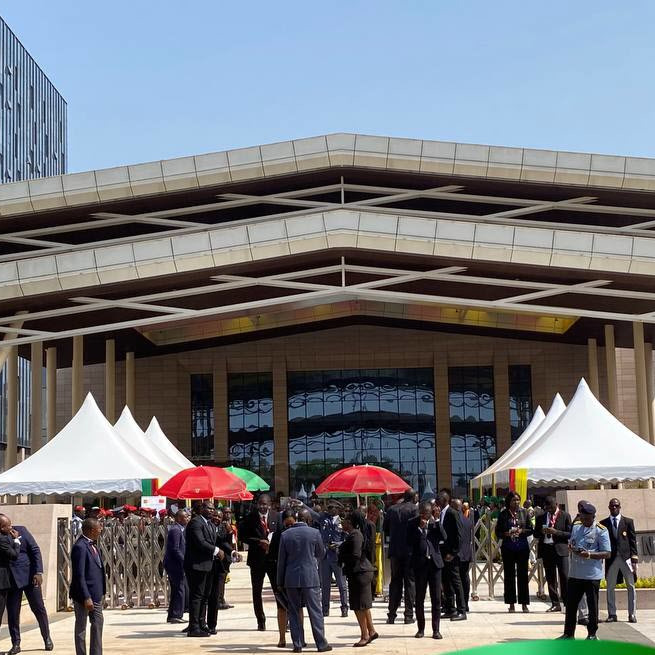
The scene unfolds at the National Assembly of Cameroon: Members of Parliament are expressing their discontent over the non-payment of their parliamentary allowances for the month of February. This situation contrasts sharply with the reality faced by many Cameroonian workers who are dealing with salary arrears.
This disparity highlights a growing social divide in Cameroon. On one hand, elected officials insist on the respect of their benefits, while many employees face payment delays, without immediate recourse or support from their representatives. This raises questions about the representativeness and legitimacy of the Cameroonian political class.
The insistence of parliamentarians regarding their monthly allowances is explained by the fact that this allocation represents a significant portion of their income, often supplemented by mandate fees. Their reaction, although discreet, reveals a fear of seeing their standard of living affected.
Meanwhile, many employers in the private sector are accumulating payment delays, leaving workers in a precarious situation. The perceived indifference of elected officials to this reality fuels distrust of the political class. This type of event reinforces the image of a political class disconnected from the daily realities of Cameroonians.
The unease is deep and calls into question the democratic contract in Cameroon. In a context of increasing precariousness, the attitude of parliamentarians towards their own remuneration is seen as a test of their ability to understand the difficulties faced by the population. The silence of elected officials in the face of unpaid wage problems is increasingly criticized.
Beyond the issue of allowances, it is the ability of elected officials to embody the concerns of their constituents that is being questioned. The perception of a gap between the concerns of parliamentarians and the daily difficulties of Cameroonians could erode confidence in democratic institutions. This situation highlights the need for greater transparency and better consideration of social realities in the Cameroonian political debate.