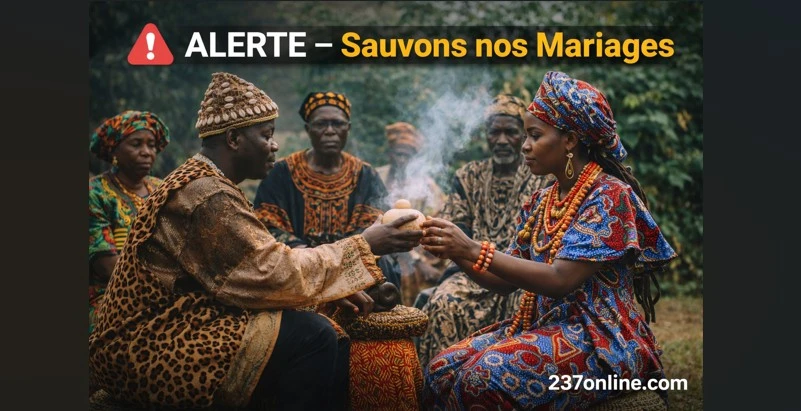
In Cameroon, as in many parts of Africa, marriage extends beyond the simple union of two individuals. It represents a complex alliance between two families, two lineages, rooted in centuries of tradition and spirituality. However, the introduction of civil marriage and inheritance laws during colonization has gradually eroded these ancestral customs, leading to family conflicts and inheritance losses.
The Western formula of marriage, often recited during civil and religious ceremonies, emphasizes the individual's break with their family of origin to form a new entity with their spouse. This individualistic view contrasts sharply with the African conception of marriage as a community pact, where family ties are maintained and strengthened. The dowry, for example, is not a commercial transaction but a recognition and commitment between clans.
The legal legacy of colonization, particularly the Civil Code, continues to influence family law in Cameroon. Ordinance No. 81-02 of 1981 gives the surviving spouse a dominant position in the management of the inheritance, often to the detriment of the deceased's biological family. This situation leads to complex disputes over mortal remains and inheritances, leaving families torn apart and children without roots.
Faced with these challenges, voices are rising for a reform of family law that integrates customary law and African social realities. Countries like Rwanda and Senegal have already undertaken reflections in this direction. In Cameroon, the official recognition of the coexistence of civil and customary law could pave the way for concrete reforms, such as taking customary rights into account in court decisions and raising awareness of customary rights. In December 2024, Cameroon's National Assembly passed Law No. 2024/016, granting legal recognition to customary marriages, aiming to integrate traditional practices into Cameroon's formal legal framework. The law elevates customary marriages to the same legal status as civil marriages.
It is imperative to transmit to future generations the richness of African history, the value of mother tongues, the meaning of rites of passage, and the importance of clan membership. A critical reading of the laws will allow them to evolve to correspond to African realities and restore dignity and the African personality.