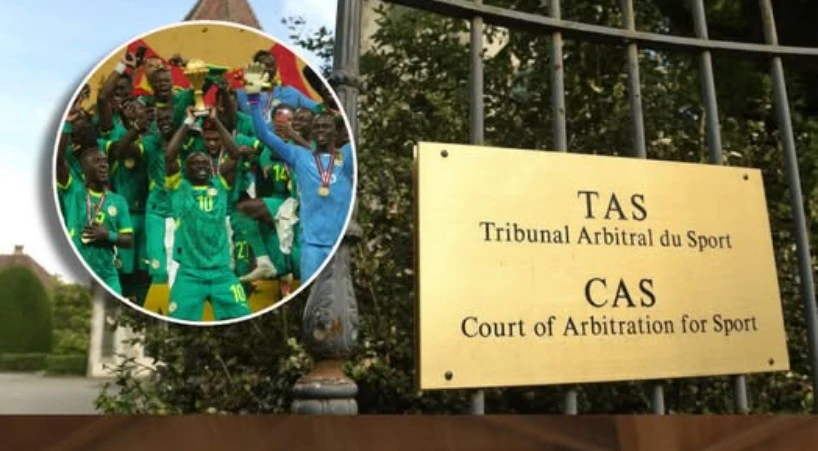
The Court of Arbitration for Sport (CAS) has announced a surprising decision regarding the awarding of the 2025 Africa Cup of Nations (AFCON). Following an appeal filed by the Senegalese Football Federation (FSF), the CAS has decided to freeze the awarding of the title to Morocco, plunging the Confederation of African Football (CAF) into unprecedented legal uncertainty.
This precautionary measure, issued by the CAS, effectively means that the title of AFCON 2025 finds itself in a legal gray area. The CAS considered that there were sufficient serious grounds to suspend the execution of the CAF's initial decision, which had awarded the title to Morocco. In other words, the trophy is neither definitively awarded nor withdrawn, pending a final decision on the merits.
At the heart of this dispute, two main arguments clash. The Senegalese Football Federation emphasizes the primacy of the field, believing that its team's sporting performance should have been enough to grant them victory. For Senegal, relying on an administrative decision to award a title is contrary to sporting ethics.
For its part, Morocco relies on the institutional legitimacy of the CAF's decision, rendered in accordance with its regulations. According to this perspective, as long as this decision is not formally annulled, the title reverts to Morocco. The CAS will therefore have to decide between these two opposing logics.
The proceedings before the CAS could take several weeks or even months. It involves a thorough review of arbitration reports, CAF decisions, internal appeals, and applicable regulatory texts. The two federations will be heard, and experts may be called upon to shed light on the situation.
This case constitutes a historic precedent in African football. Although the CAS has already been seized in disputes relating to African competitions, a precautionary measure freezing an AFCON title is unprecedented. The CAF finds itself in a delicate position, its authority being questioned by this decision of the CAS.
This situation highlights the need for African institutions to strengthen their procedures to avoid such conflicts. The final verdict of the CAS will have a significant impact on the governance of African football, by defining the place of sporting merit in the face of administrative decisions.
Senegal has therefore won an initial procedural battle, but the outcome of this case remains uncertain.