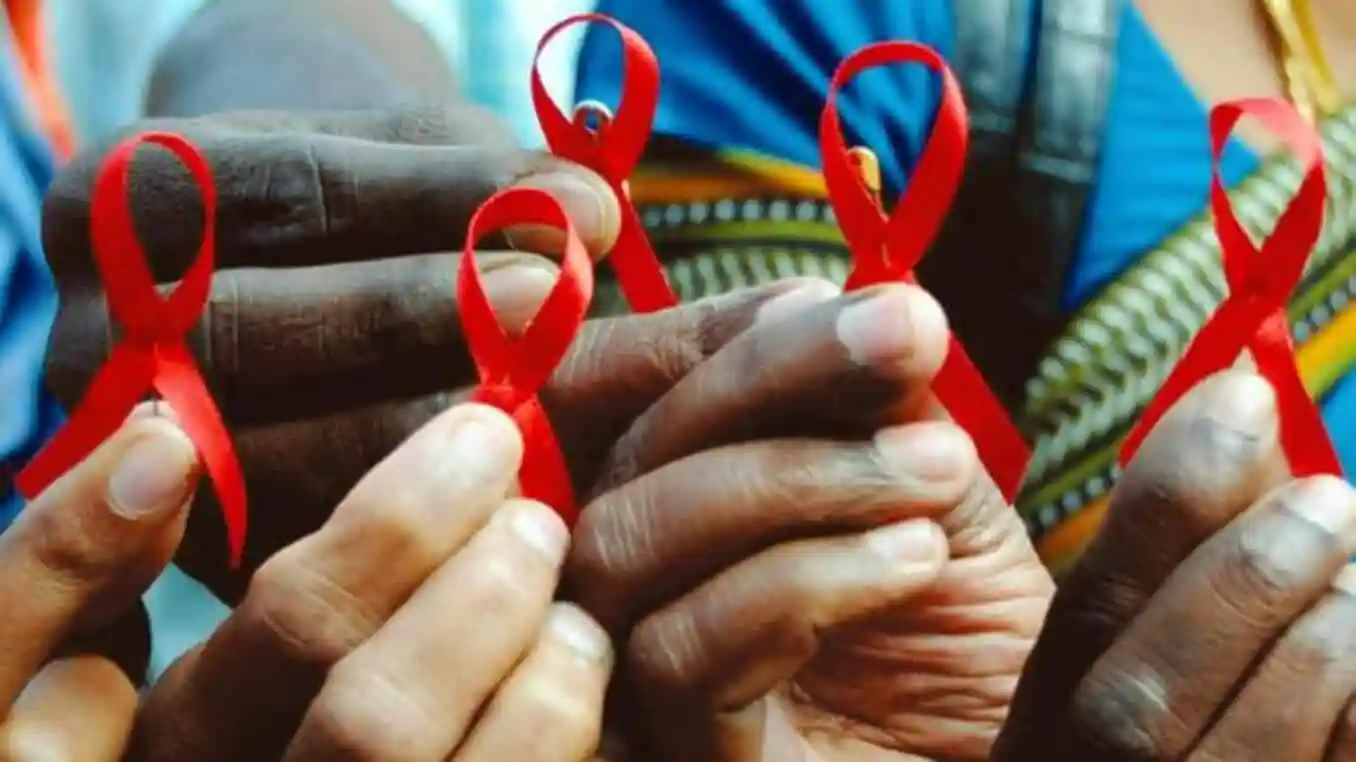
The Adamaoua region of Cameroon has recorded a significant decrease in the rate of HIV transmission from mother to child, reaching 0.45%. This figure was revealed during the national advocacy campaign for the sustainability of interventions of the Project for the Elimination of Mother-to-Child Transmission of HIV/AIDS (PETVISIDAME) in Adamaoua.
The advocacy ceremony, held on Wednesday, February 25, 2026, in Ngaoundéré, was placed under the patronage of Chantal Biya, First Lady of Cameroon and Founding President of African Synergies against AIDS and Suffering. The event brought together important figures, including the Governor of the Adamaoua Region, the Executive Secretary of African Synergies, and the Resident Representative of UNICEF Cameroon.
The PETVISIDAME project was implemented in 11 health districts in the Adamaoua region between 2020 and 2025. During this period, the rate of HIV transmission from mother to child decreased from 4% to 0.45%, demonstrating the considerable progress made through this initiative.
Despite these notable advances, significant challenges remain to achieve the 95-95-95 target, which aims to eliminate the transmission of HIV, syphilis, and hepatitis B from mother to child, and to ensure universal access to antiretroviral treatments (ARV) for children and adolescents in Cameroon by 2030.
The PETVISIDAME project, supported by UNICEF and the Islamic Development Bank, aims to eliminate HIV transmission from mother to child in 55 health districts in Cameroon. It focuses on strengthening human capacities, supporting the ARV supply chain, acquiring medical equipment, and community mobilization. The project includes four essential components: early diagnosis and care for mother and child, the establishment of an operational surveillance system, the development of innovative community service delivery models, and support for project management.
In 2012, the prevalence of HIV among pregnant women in Cameroon was 7.8%. In 2011, only 54% of HIV-positive pregnant women received antiretroviral drugs (ARVs) to prevent HIV transmission to their infants. Cameroon estimated a mother-to-child transmission (MTCT) rate of 24%.
Option B+, which consists of providing lifelong ARV treatment to all HIV-positive pregnant women, has been adopted as a potential strategy to achieve the elimination of mother-to-child transmission. A study revealed that HIV-positive women who were not on cART were 2.49 times more likely to transmit HIV to their babies compared to those who were on it.
The PETVISIDAME project illustrates how an intersectoral approach, involving various ministries and partners, can strengthen the effectiveness of community actions and reach vulnerable populations. Schools can also play a key role in raising youth awareness of health and HIV prevention.
Efforts continue to extend interventions and improve the quality of care, with the aim of eradicating HIV transmission from mother to child and ensuring a healthy future for future generations in Cameroon.